Documentary Now - What does the world tell in the ‘Best Documentaries of 2025’ ?
Read 0
It is a year-end tradition for critics from the United States to announce their ‘Best of the Year’ lists, marking significant milestones in the world of cinema. In 2025, a particular group of documentaries received overwhelming acclaim, serving as a chilling reflection of our world’s current state of alarm.
In synthesizing the top-ranked films from prominent outlets, including Variety, IndieWire, POV Magazine, The Film Stage, Observer, Rolling Stone, Vogue, and Far Out. These documentaries share two dominant narrative threads. That is ‘War and Conflict’ and ‘State Power and Structural Violence.’ The overarching themes can be summarized as follows.
1. ’War Narratives that are shifting from ‘Event’ to ‘Experience’
Prominent documentaries in 2025 have moved beyond presenting war as an abstract concept, instead pulling the audience into an intimate, inner circle of the conflict. The intent is to perceive clearly for ourselves what it truly means to survive in the middle of war and strife.
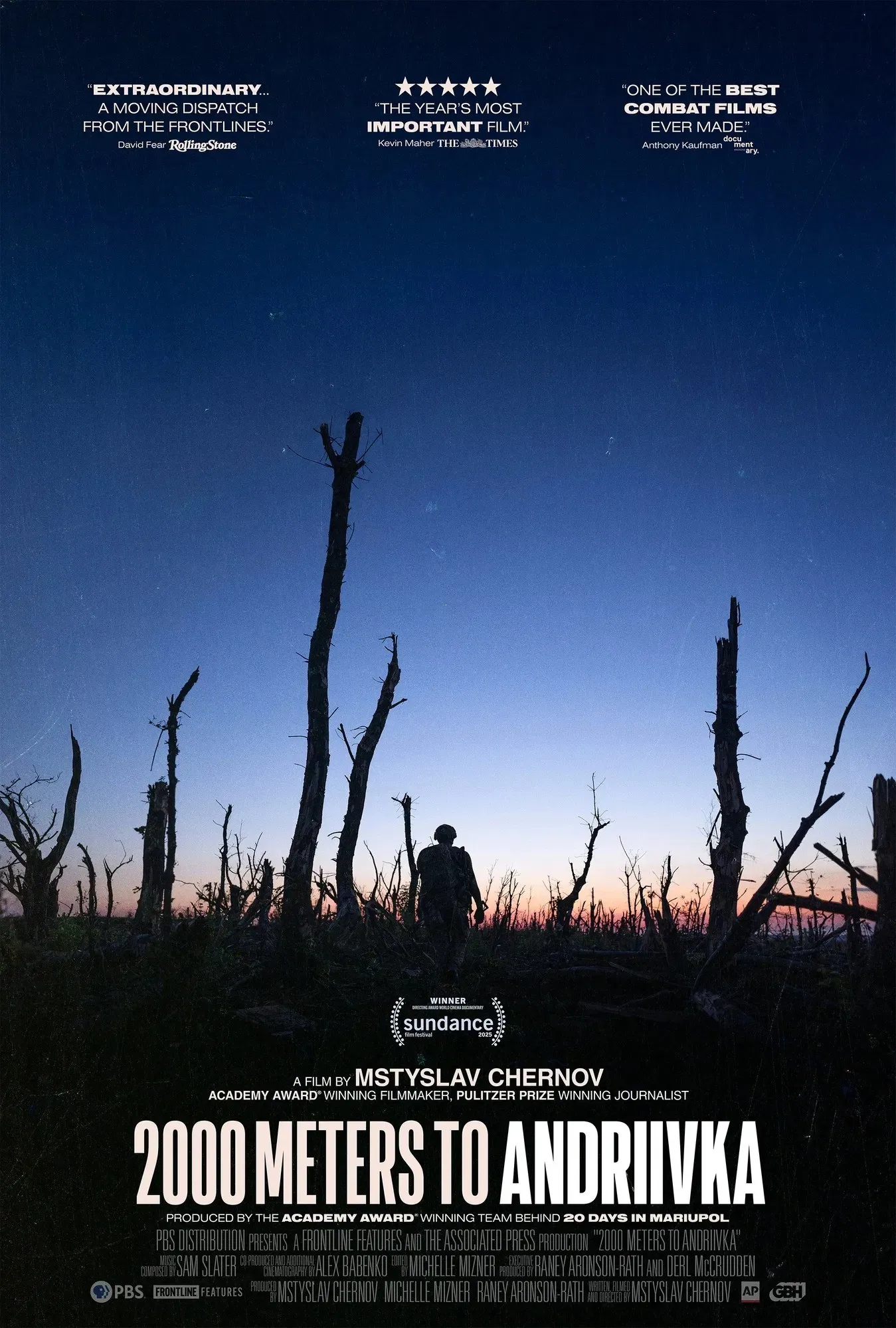
2000 Meters to Andriivka (Ukraine, directed by Mstyslav Chernov), a documentary following a Ukrainian military unit on a mission to cross the front lines to liberate a strategic village from Russian forces. The distance of 2,000 meters in the title not only provides geographical data. Rather, it represents a protracted combat zone where every single step signifies risk and loss. The film is saturated with raw, unpolished field footage and shaky camera work that makes the viewer feel as if they are standing in the middle of a terrifying battlefield with nowhere to hide.
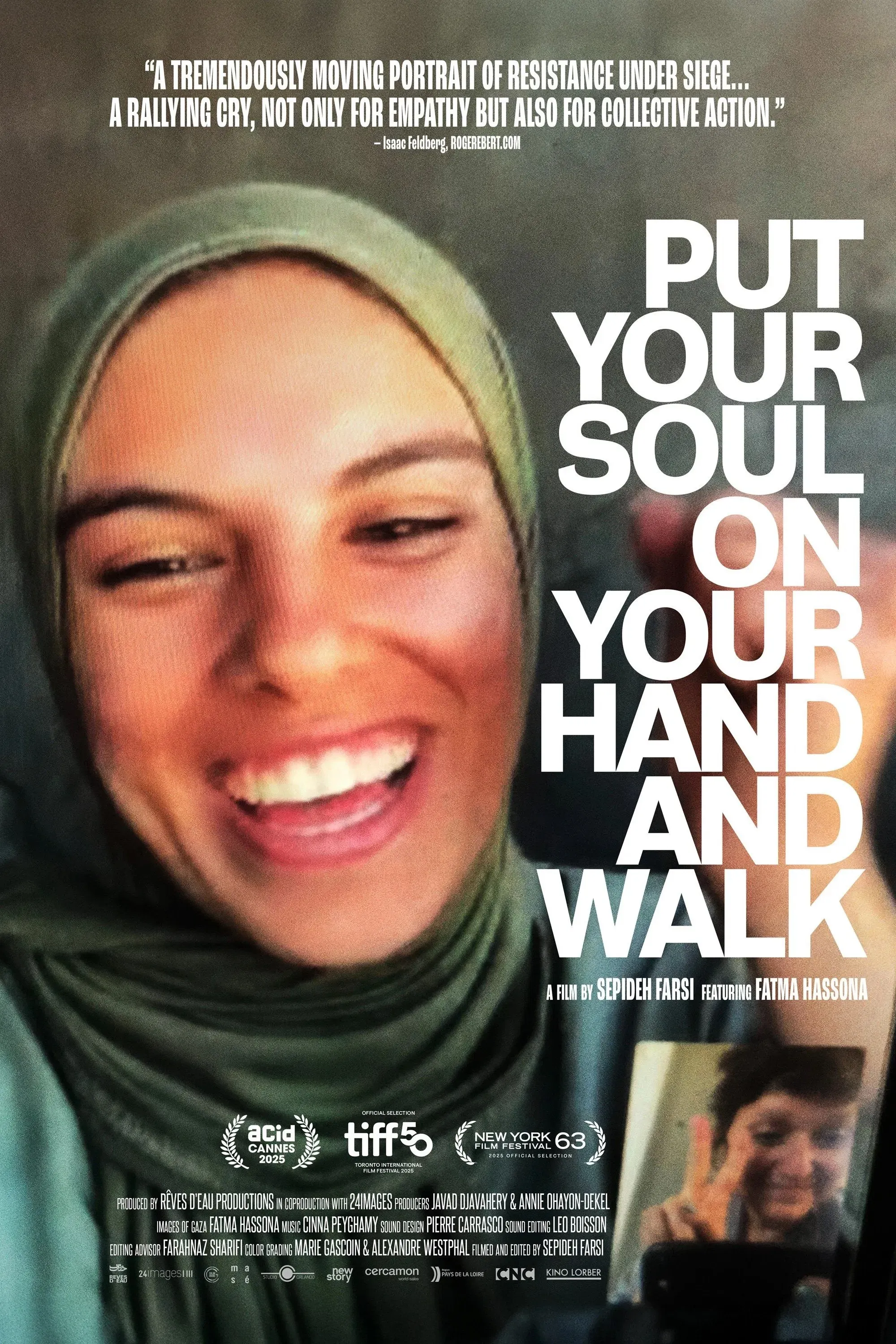
Put Your Soul on Your Hand and Walk (Palestine, directed by Sepideh Farsi) was produced from video call conversations between Farsi and Fatima Hassona, a photojournalist and poet who recorded life among the bombings in Gaza. Once again, pixelated imagery, interrupted audio, and incomplete communication are employed to allow the audience to absorb the precarious and perilous existence of a subject living in a conflict zone (a feeling that becomes even more profound given that Hassona was killed in an Israeli strike shortly after filming concluded).
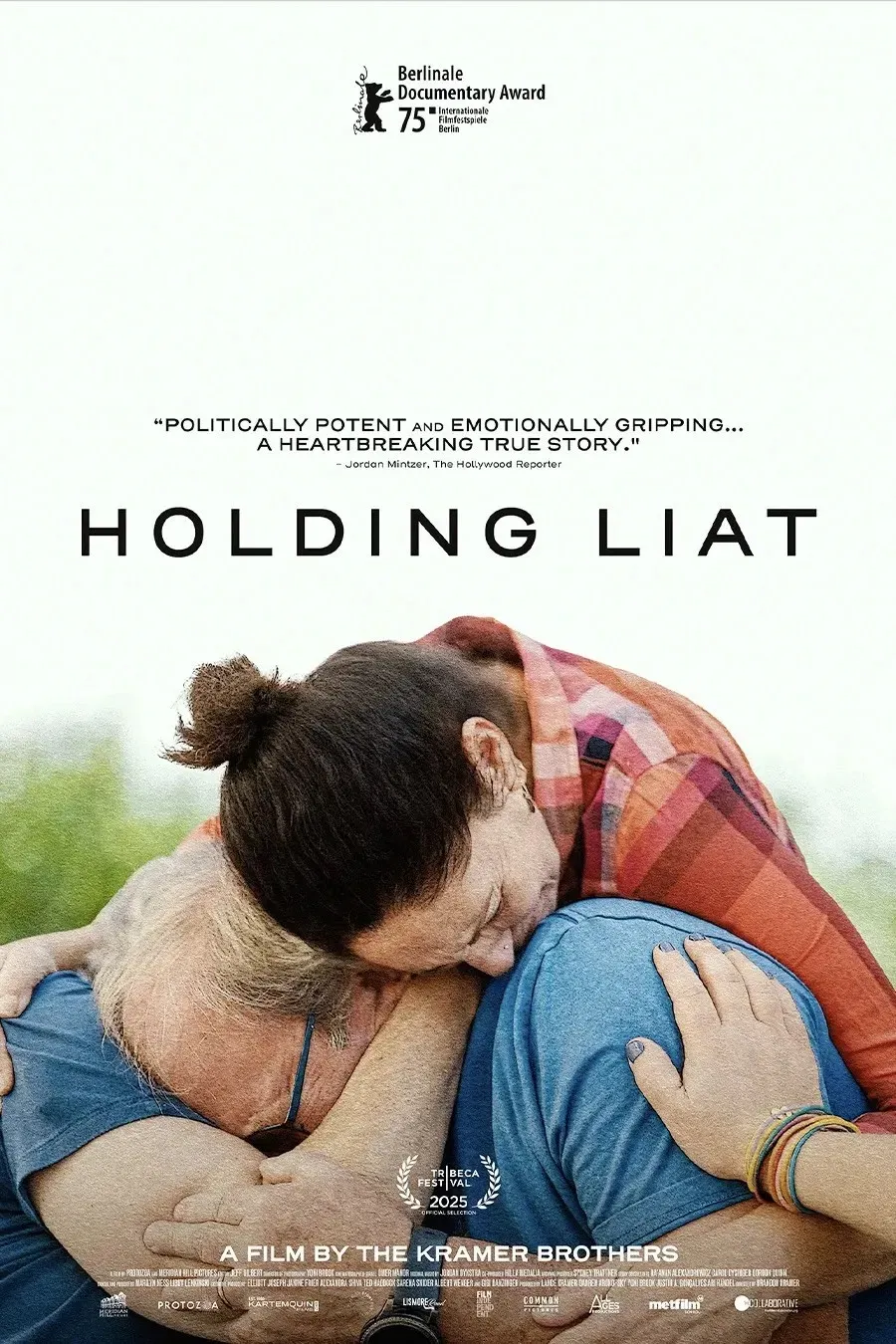
Holding Liat (USA, directed by Brandon Kramer) follows an Israeli-American family grappling with domestic tension after a family member was taken hostage by Hamas. The film’s strength lies in its refusal to summarize the broader political conflict. Instead, it illustrates how such circumstances permeate and seep into the everyday lives of ordinary people.
2. Narratives of Confrontation with Structural State Power
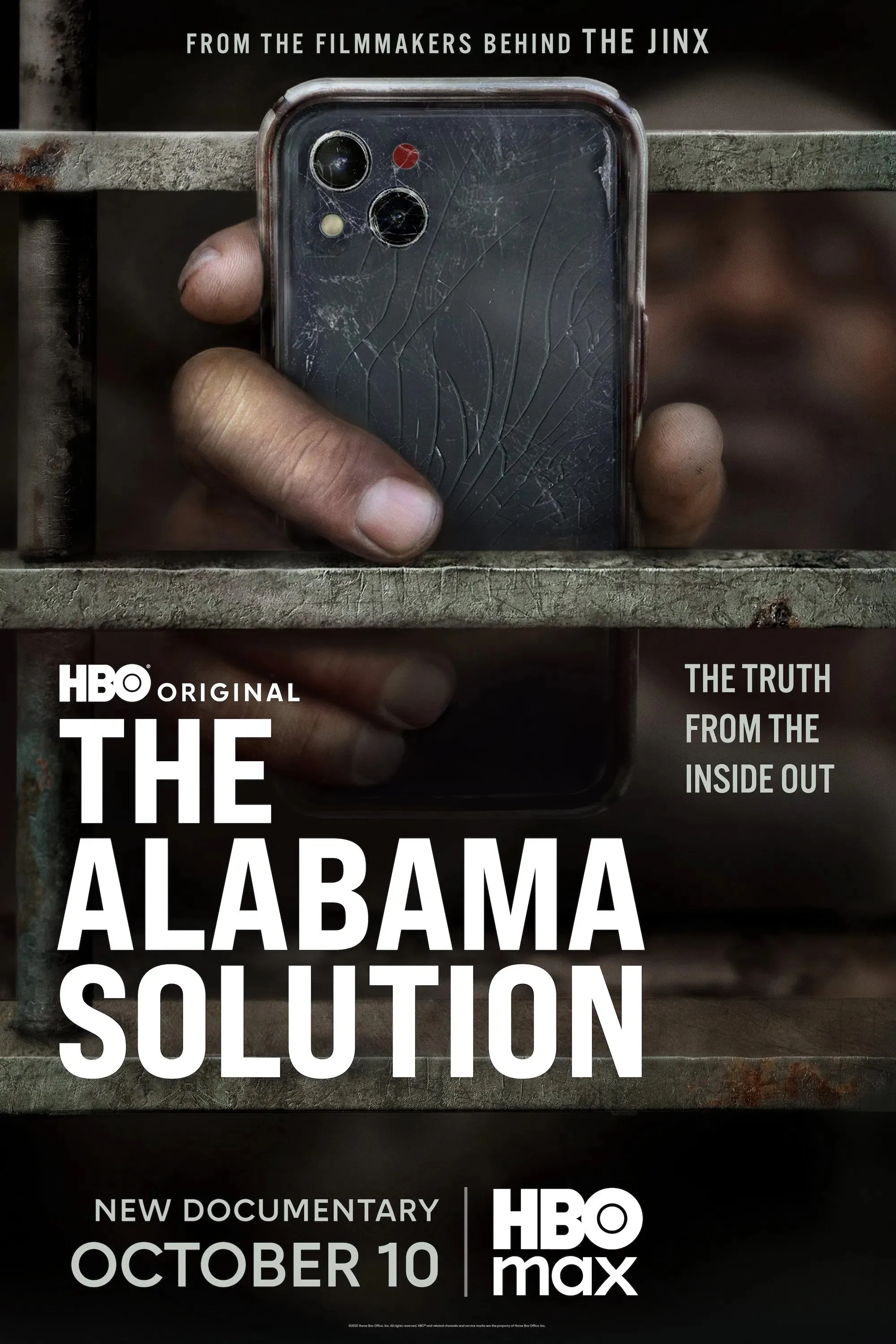
The Alabama Solution (USA, directed by Andrew Jarecki and Charlotte Kaufman) is a documentary that exposes the atrocities within Alabama’s prison system through footage surreptitiously recorded by inmates using smuggled mobile phones. These images are devoid of any cinematic embellishment. But they are raw evidence that undeniably confirm the reality on the ground, which forces the audience to question what kind of justice system allows such deplorable conditions to persist.
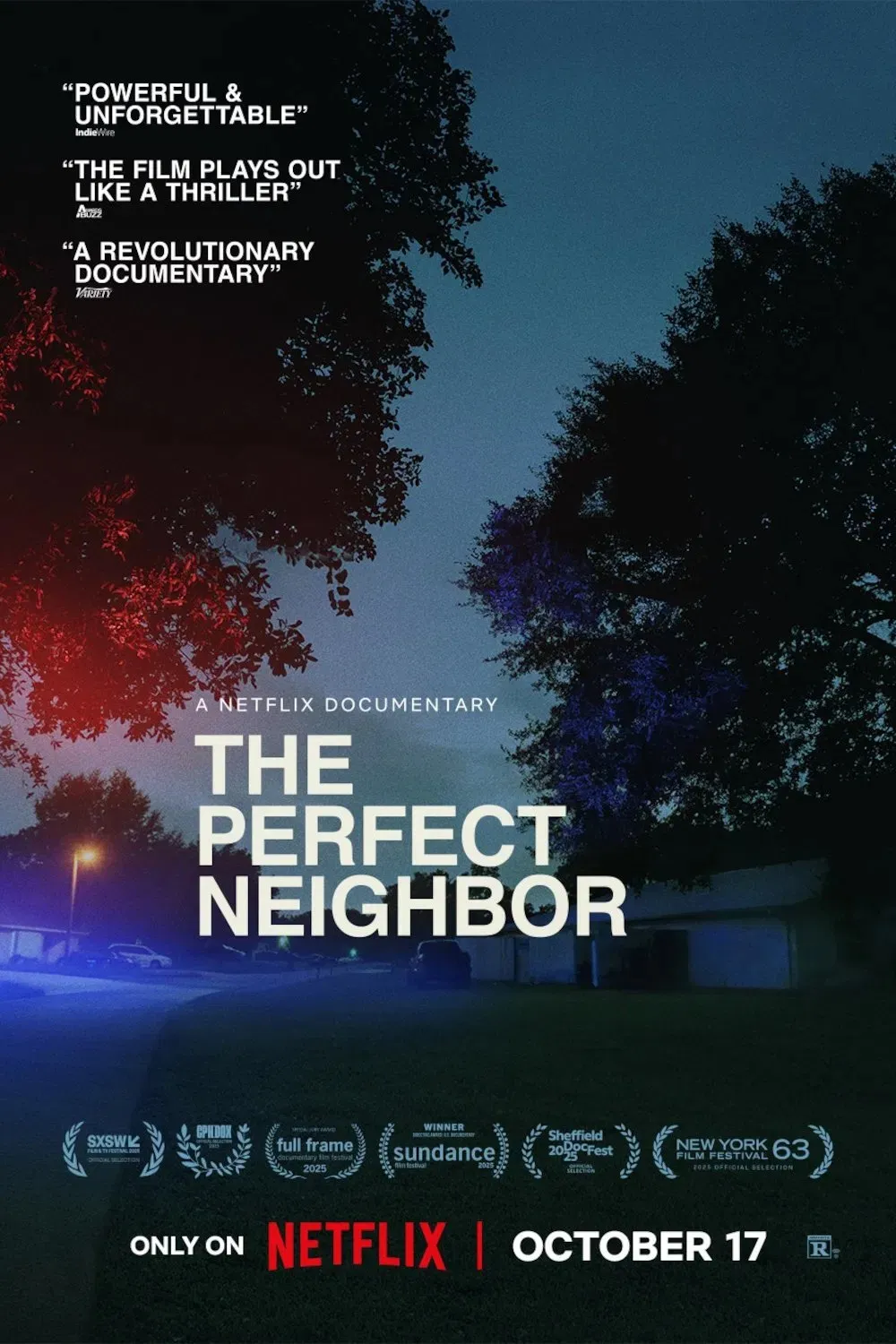
The Perfect Neighbor (USA, directed by Geeta Gandbhir) explores the complexities of "Stand Your Ground" laws in the United States (which permit individuals in a place they have a legal right to be. Such as their home or a public space, etc. To use lethal force in self-defense if they reasonably believe they face an imminent, serious threat.) The film is constructed almost entirely from police body-cam footage, CCTV, and interrogation room recordings, notably absent from any directorial narration. This stylistic choice compels the audience to directly confront these ethically challenging incidents on their own terms.
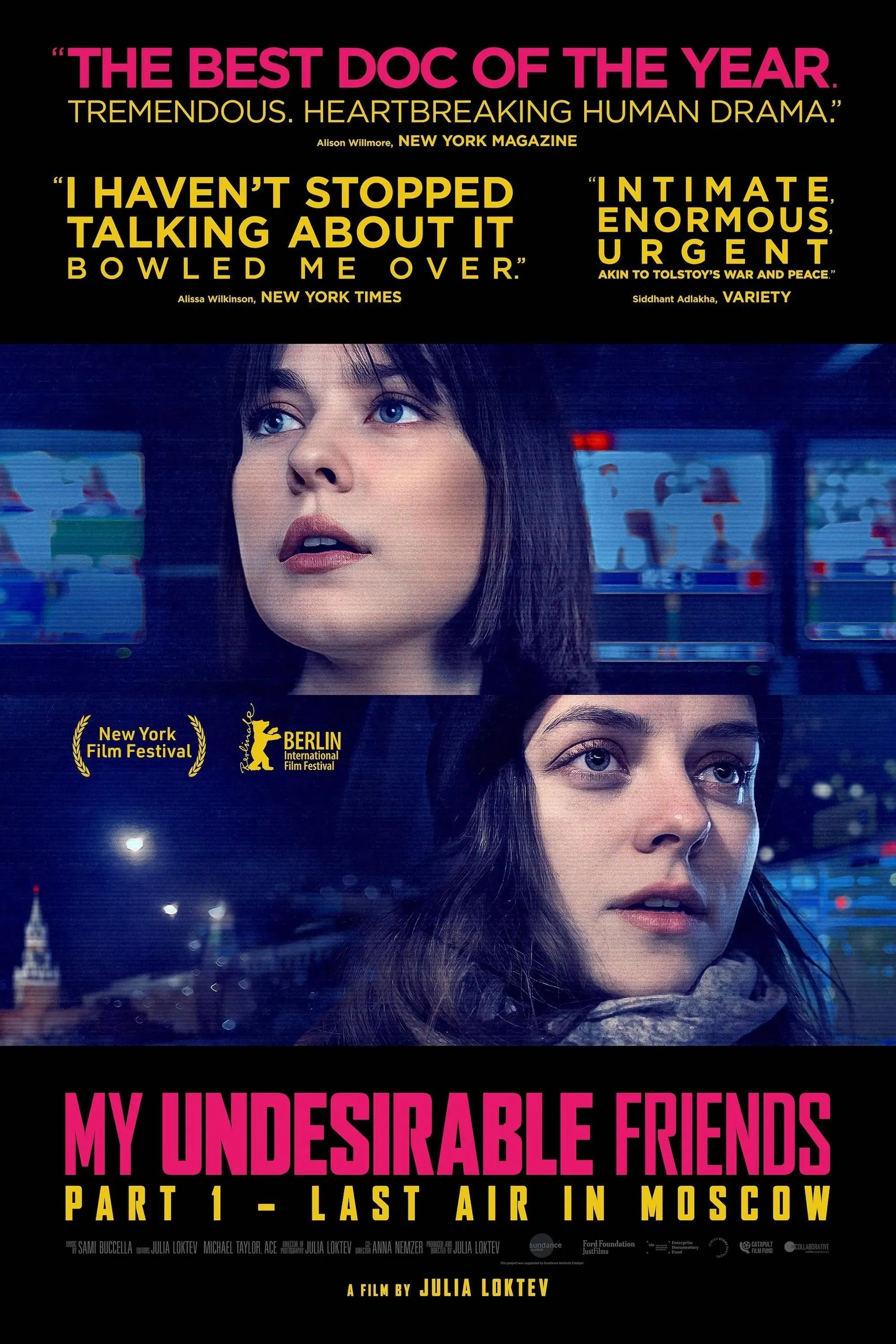
My Undesirable Friends: Part I - Last Air in Moscow (Russia, directed by Julia Loktev) is a five-and-a-half-hour documentary that chronicles the lives of independent journalists in Russia as they face escalating pressure from the government. The film follows each subject through both their professional and private spaces, allowing us to intimately experience their courage, their fear, and the pervasive reality of their self-censorship.
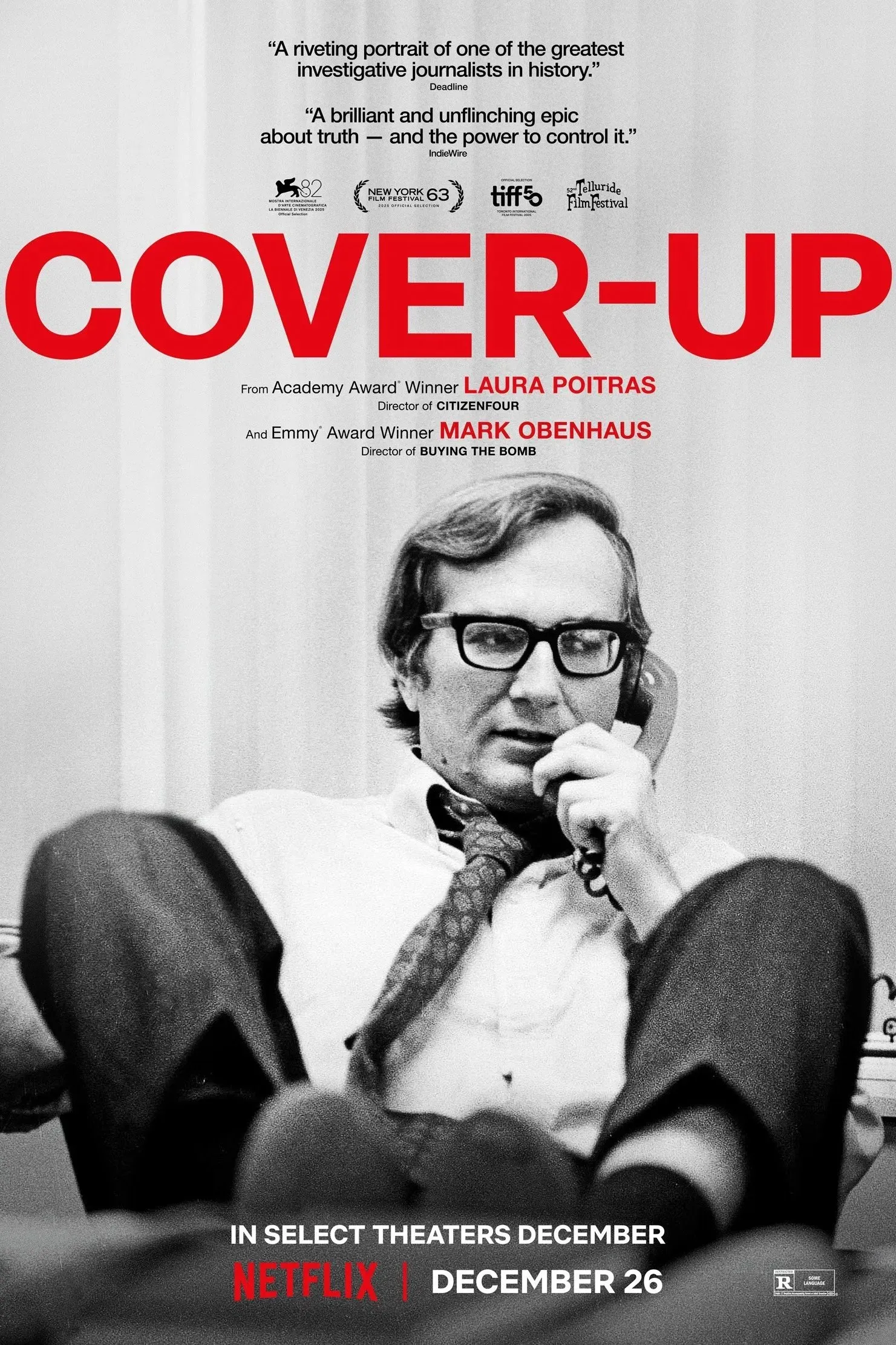
Cover-Up (USA, directed by Laura Poitras) is a biographical documentary about Seymour Hersh, a journalist who has spent his 50-year career attempting to expose the failures of both the state and the media. Ranging from the My Lai Massacre during the Vietnam War and the Watergate scandal to the Abu Ghraib prison abuse. Poitras conducts an in-depth interview with Hersh, interspersed with powerful historical footage, effectively shattering the audience’s confidence in state institutions.
Beyond these two pivotal issues currently plaguing nations worldwide, the presentation methods of these documentaries are equally compelling. We can see that this group of films has shifted the role of documentary cinema from being a "summarizer" of various situations. (traditionally achieved through detailed background information or expert interviews) That is to become a more "direct participant." Filmmakers now immerse themselves within the situations, allowing raw, characterized by discomfort, instability, and dangerous experiences to communicate directly with the audience.
In these films, the distance between the "camera" and "violence" has narrowed, and imperfections in image or sound are no longer viewed as constraints. But they represent a new cinematic language that profoundly resonates with the current state of our world.
About Author