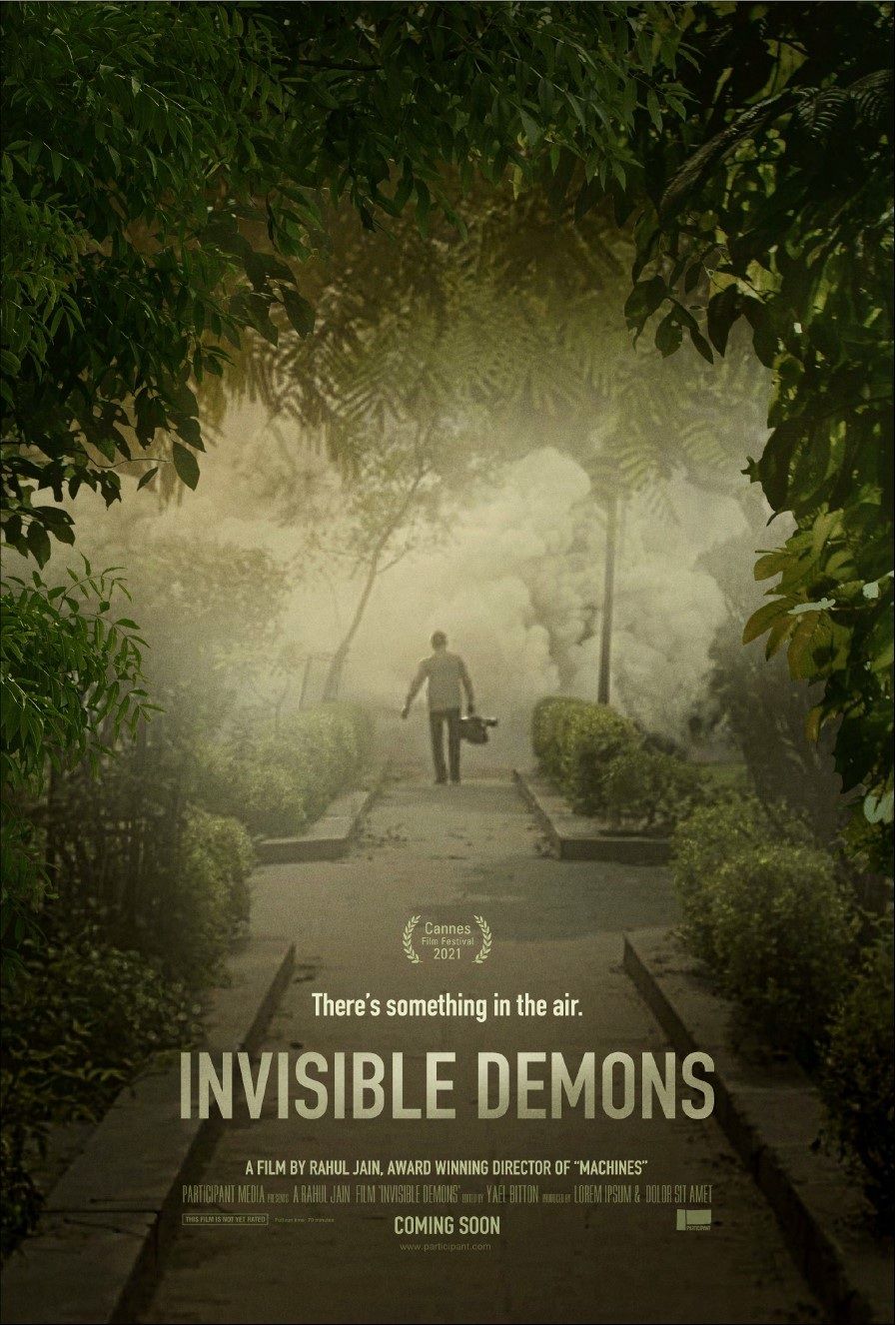
Invisible Demons On the day "air" becomes an "evil demon."
Read 0
It is certainly not normal when our morning routine must begin with checking the weather to see whether it is breathable, the pollution levels, whether we should wear a mask outdoors, or whether the situation is so severe that we should stay indoors with the air purifier on its highest setting.
This situation brought Rahul Jain back from the United States to Delhi, India. He was doubly shocked to find that the people around him lived their lives amidst this abnormality as if it were perfectly normal.
Rahul was born in Delhi and is a film graduate from the U.S. He received recognition for Machines (2016), an observational documentary following textile factory workers. When returning home to prepare for a new film, the gloomy, smog-filled atmosphere of Delhi, in contrast to its economic prosperity, prompted an immediate question: why has this city become a place where it gets "harder to breathe every year"?
In an interview, he stated, "I am a Delhiite and naturally feel a deep bond to this city. This bond only amplifies my questioning and pain as I witness my hometown change to the point where the small birds I grew up with have completely disappeared. Every living creature, humans included, is being pushed to their absolute physiological limits."
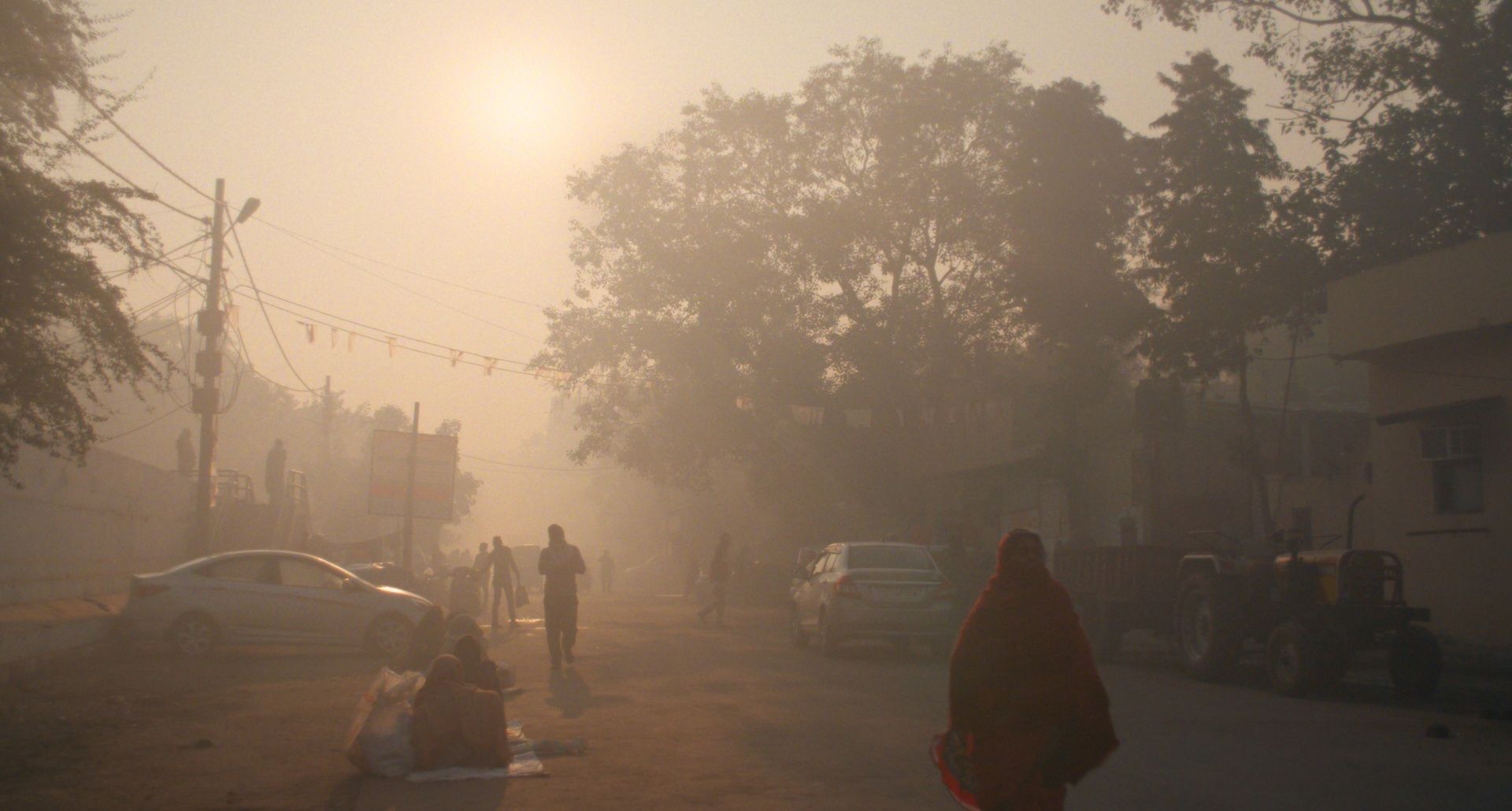
ภาพจากสารคดี Invisible Demons
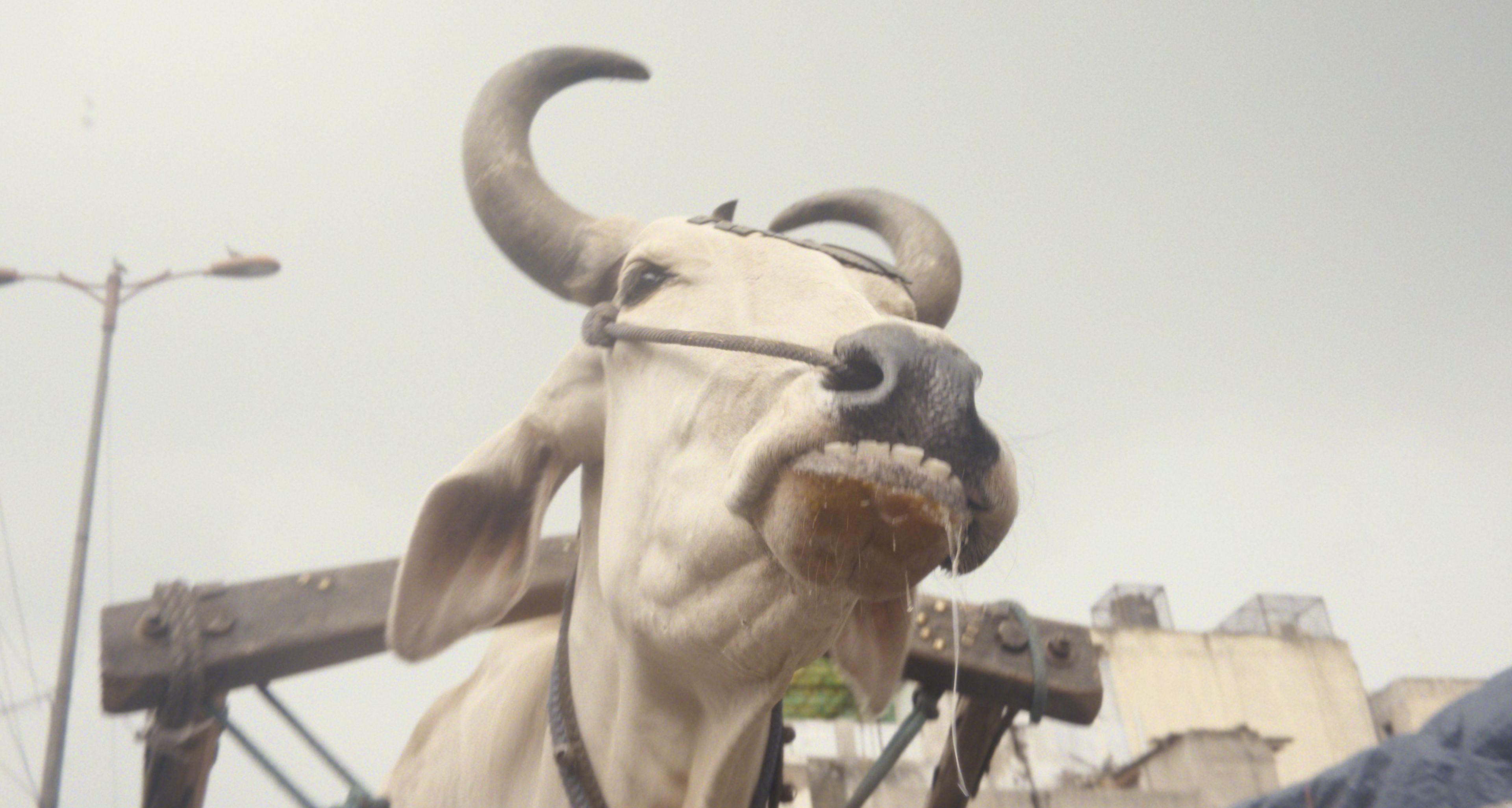
ภาพจากสารคดี Invisible Demons
Delhi has been plagued by pollution for a while. During various seasons, PM2.5 levels soar dozens of times above WHO standards, with AQI occasionally hitting 400–500, placing it in the "Hazardous" category. Reports from the Lancet Commission and the State of Global Air indicate that in 2019, air pollution was linked to over 1.7 million deaths, making it India’s leading health risk.
However, these numbers do not answer Rahul's questions that much. He did not want to make a documentary full of graphs, infographics, or narrations, but wanted to convey the effects that truly happen at the daily lives of city people. This challenge was the reason he decided to follow and film groups of ordinary people who must endure amidst pollution without a way to escape. Especially outdoor workers, daily laborers, and the homeless, who must stay in open spaces all day and inevitably receive more physical impact than other population groups.
Furthermore, as the film aims to explore the relationship between the city and its citizens, Rahul and his crew established a strict rule that the camera must remain at eye level. Drones' bird’s-eye view was forbidden, as Jain believed aerial shots created a sense of detachment, preventing the audience from empathizing with reality on the ground. The cinematography captures everything from mundane daily routines to haunting visuals, such as smog choking the sky, chemically foamed waterways, and mountains of trash tall as skyscrapers.
The soundscape follows a similar minimalist approach, eschewing a traditional score in favor of raw city sounds. The roar of engines, traffic congestion, and the coughs of people on the street serve as a powerful narrative of the environment, requiring no further commentary.
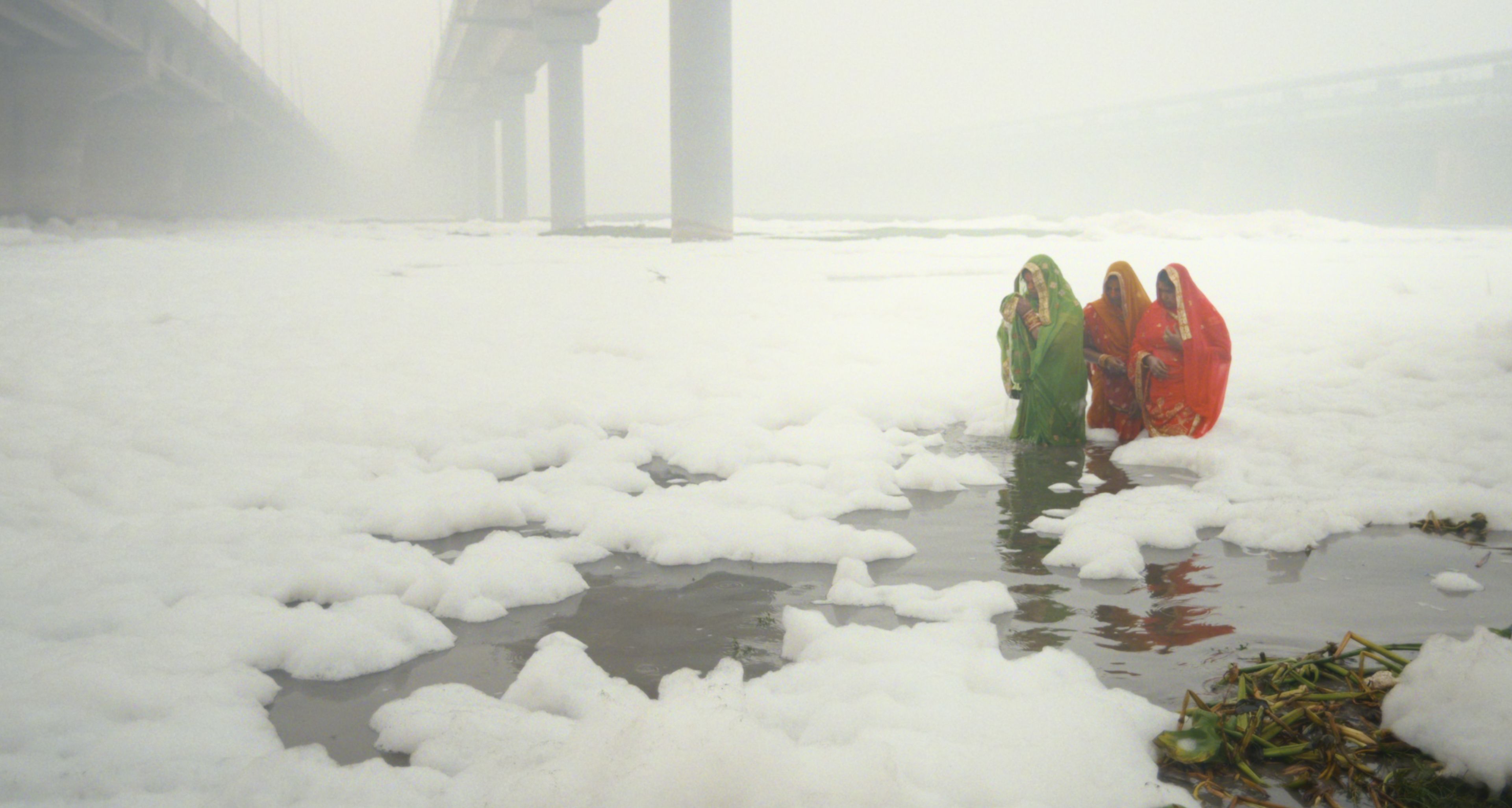
ภาพจากสารคดี Invisible Demons
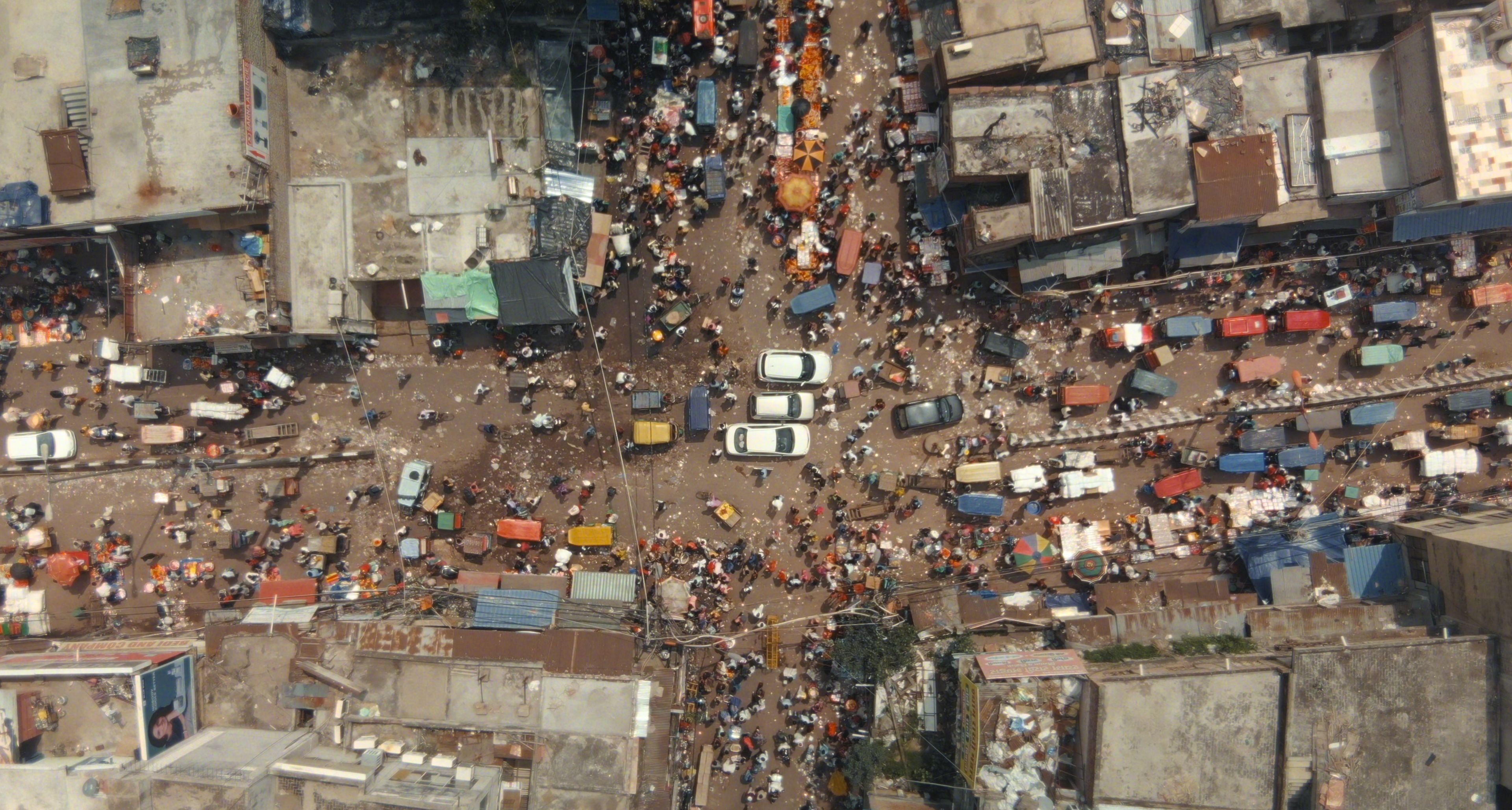
ภาพจากสารคดี Invisible Demons
Invisible Demons is a co-production between India, Finland, and Germany. That makes Rahul pair with professional European cinematographers and sound designers. He noted that their "outsider's perspective" highlighted overlooked details, such as the pile of plastic waste along canals or the eerie, distorted hues of daylight. These nuances underscore the city’s profound transformation.
With all these stories, Invisible Demons is often categorized as an environmental documentary. But Rahul views the crisis through a human lens. He argues that in global climate discourse, the everyday victims are often sidelined; despite having no say in urban development, they are forced to live with its consequences.
"We could buy all of the air purifiers and air conditioners in the world, but if we can't simply go for a morning walk, what do we live for?" he asks. "Our lives are becoming increasingly caged, and this film is my attempt to shake those bars. I’m not here to point fingers or push an activist agenda. I’m just someone concerned about our reality, wanting people to look and realize that something is fundamentally wrong."
ภาพจากสารคดี Invisible Demons
About Author