Black Box Diaries A Struggle That Shook Both ‘Documentary Ethics’ and ‘Japanese Society’ !
Read 0
Black Box Diaries is a documentary that has become legendary in many respects. First, it is a powerful and admirable work by a woman who was sexually assaulted and dared to step forward to fight for justice in a conservative society that often seems more ready to condemn the victim than the perpetrator. Second, it serves as an example of investigative documentary filmmaking in which the filmmaker herself becomes the main subject and must personally take on the task of uncovering evidence. Third, it powerfully demonstrates the strength of “journalistic work,” as the filmmaker comes from a background in journalism and fully employs those skills in her storytelling. Fourth, it stands as a record of a woman’s struggle that became the starting point of the #MeToo movement in Japanese society, eventually leading to the amendment of important legislation.
These are the prominent roles that have made the film widely discussed. However, there is another charge that has only recently been seriously examined since the film’s release: the filmmaking process itself, which is also filled with conflicts and has raised deeply thought-provoking questions about the “ethics” and “boundaries” of documentary filmmaking.
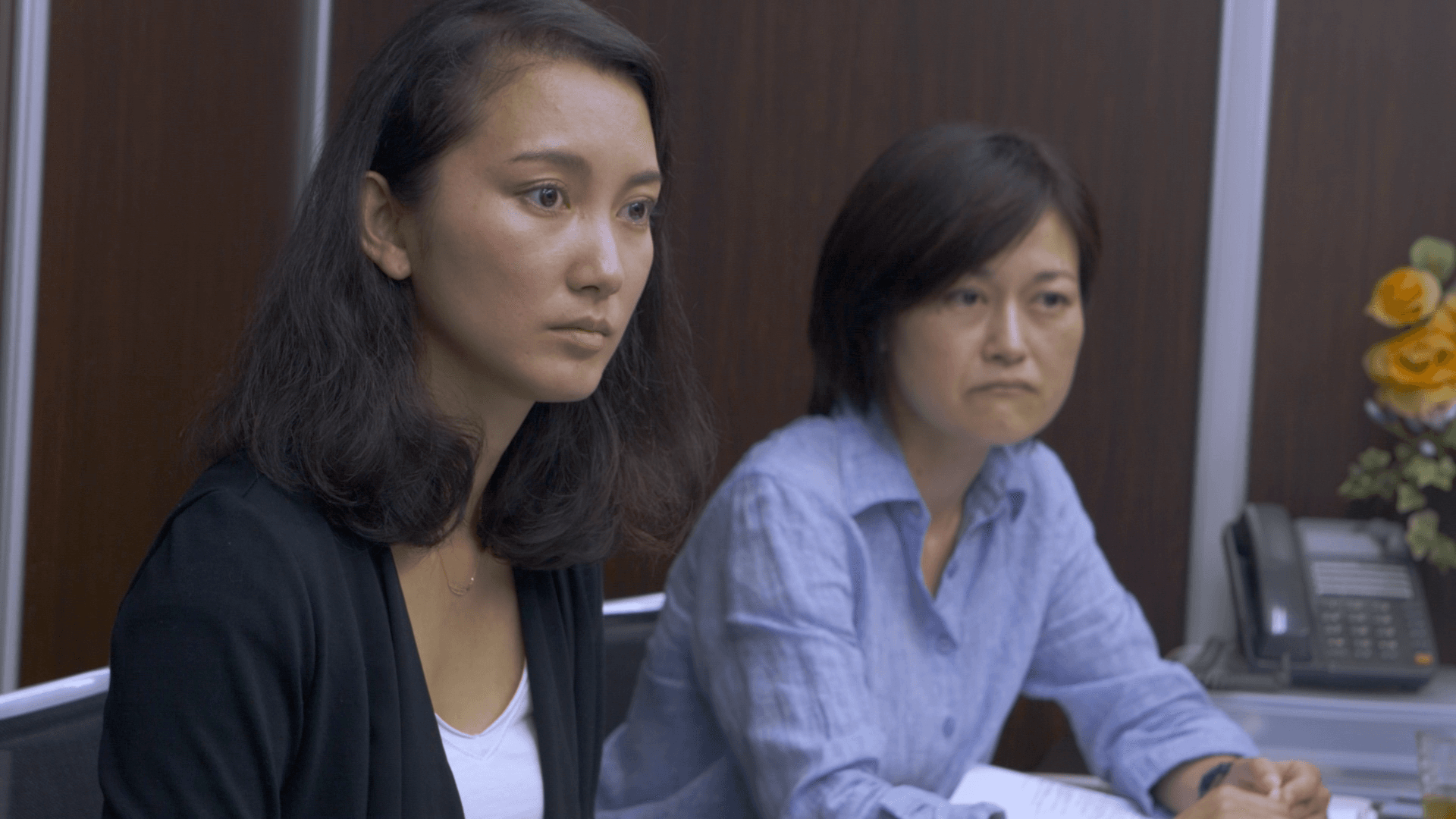
Let’s talk first about the origins of Black Box Diaries. This documentary is a “diary,” or personal record, of Shiori Ito, a young journalist who used filmmaking as a tool to collect evidence and fight a legal case in which she was sexually assaulted by Noriyuki Yamaguchi in 2015 (he was a former Washington, D.C. bureau chief for TBS, widely known both for his status in the media industry and his close ties to former Prime Minister Shinzo Abe). Ito tried to file a police report, but it was rejected on the grounds that she had no evidence other than her fading memories.
It was only when her legal team obtained CCTV footage from a hotel (which showed Yamaguchi half-embracing, half-dragging her in an intoxicated state from a taxi and taking her into a hotel room) that the investigation began to move forward and led to an arrest warrant for Yamaguchi. But then everything came to a halt, when the warrant was suspended at the very last minute and the investigation was abruptly dropped, which Ito suspects was likely due to secret interference by Prime Minister Abe.
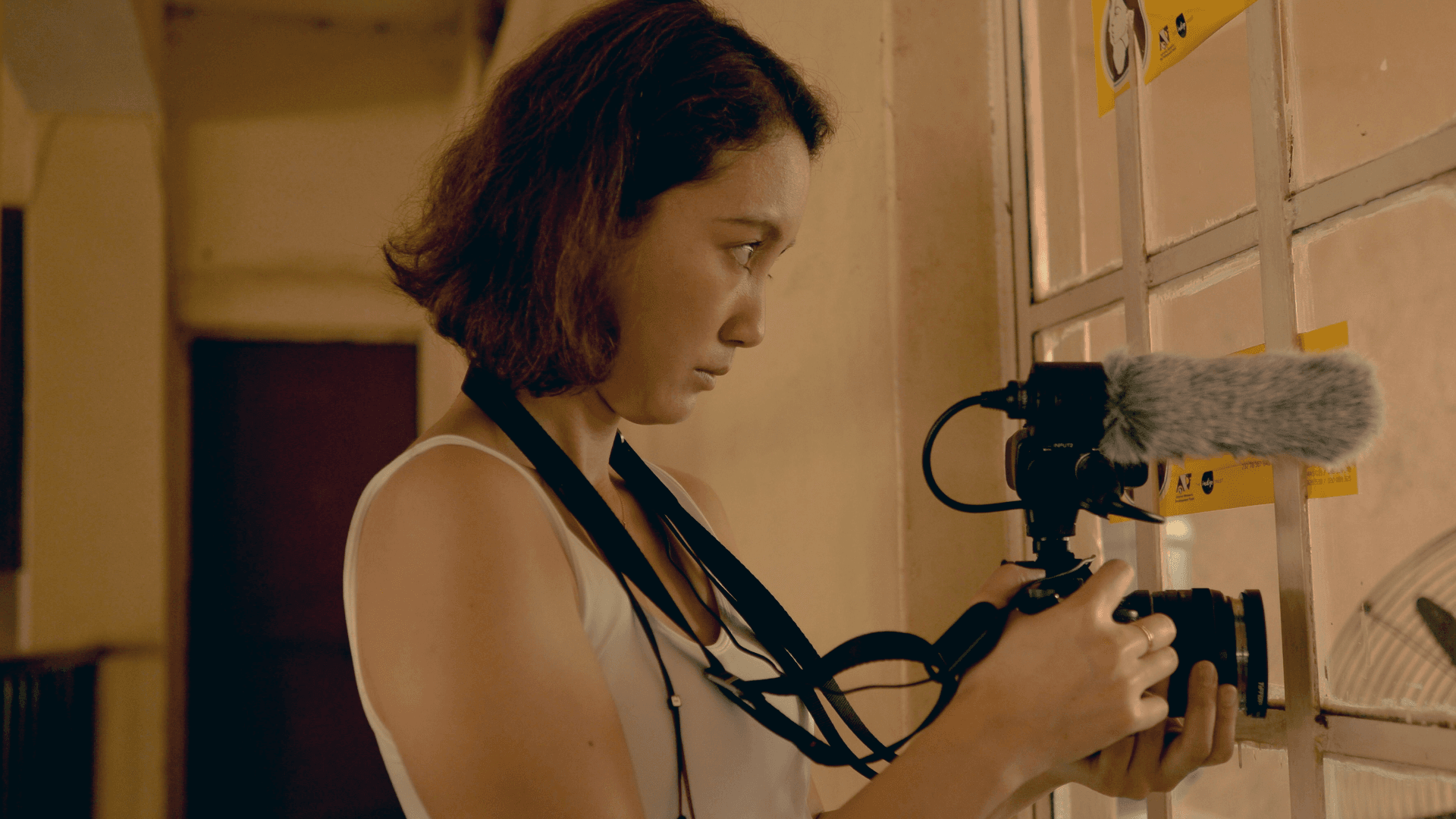
Black Box Diaries
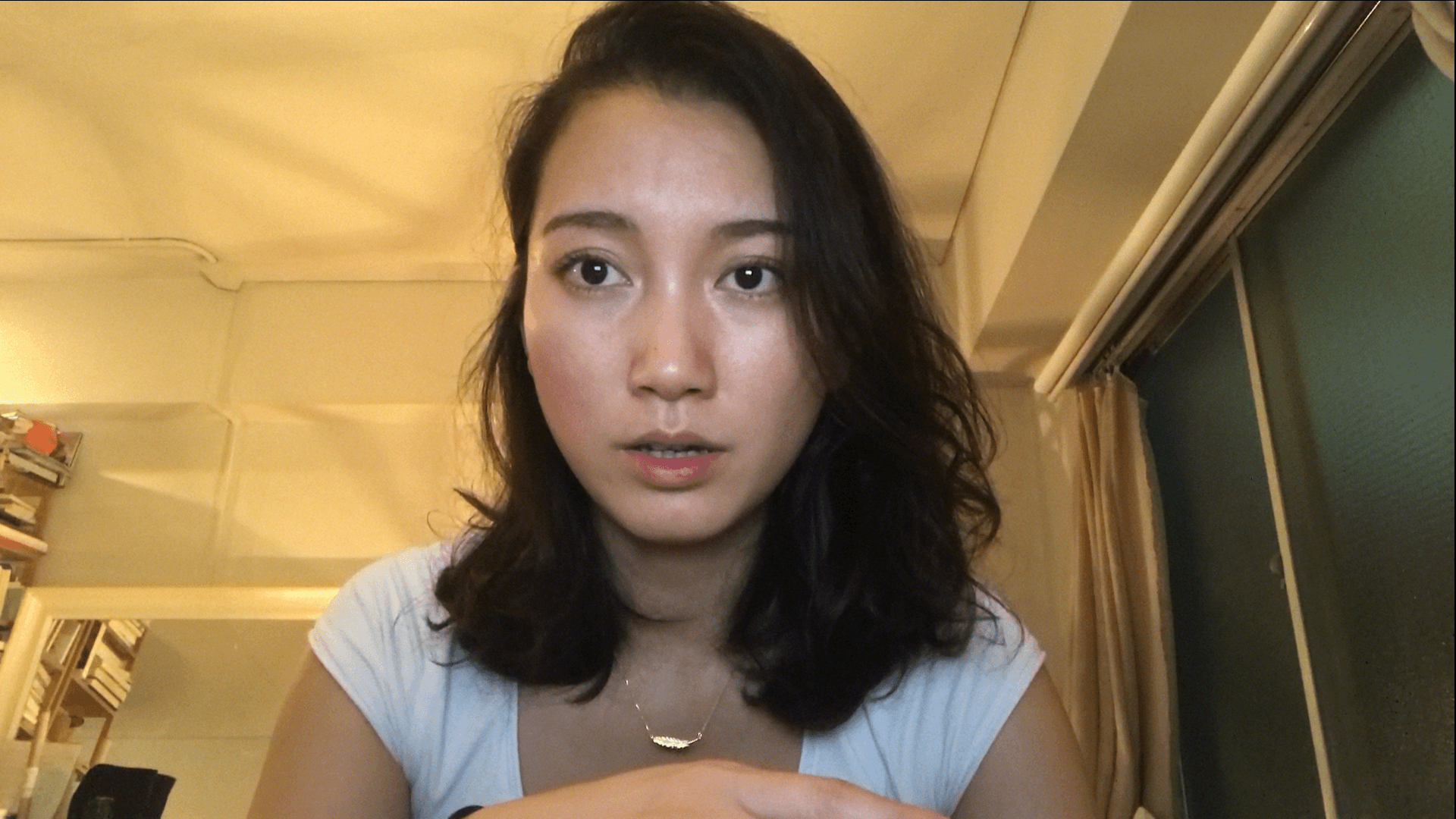 Black Box Diaries
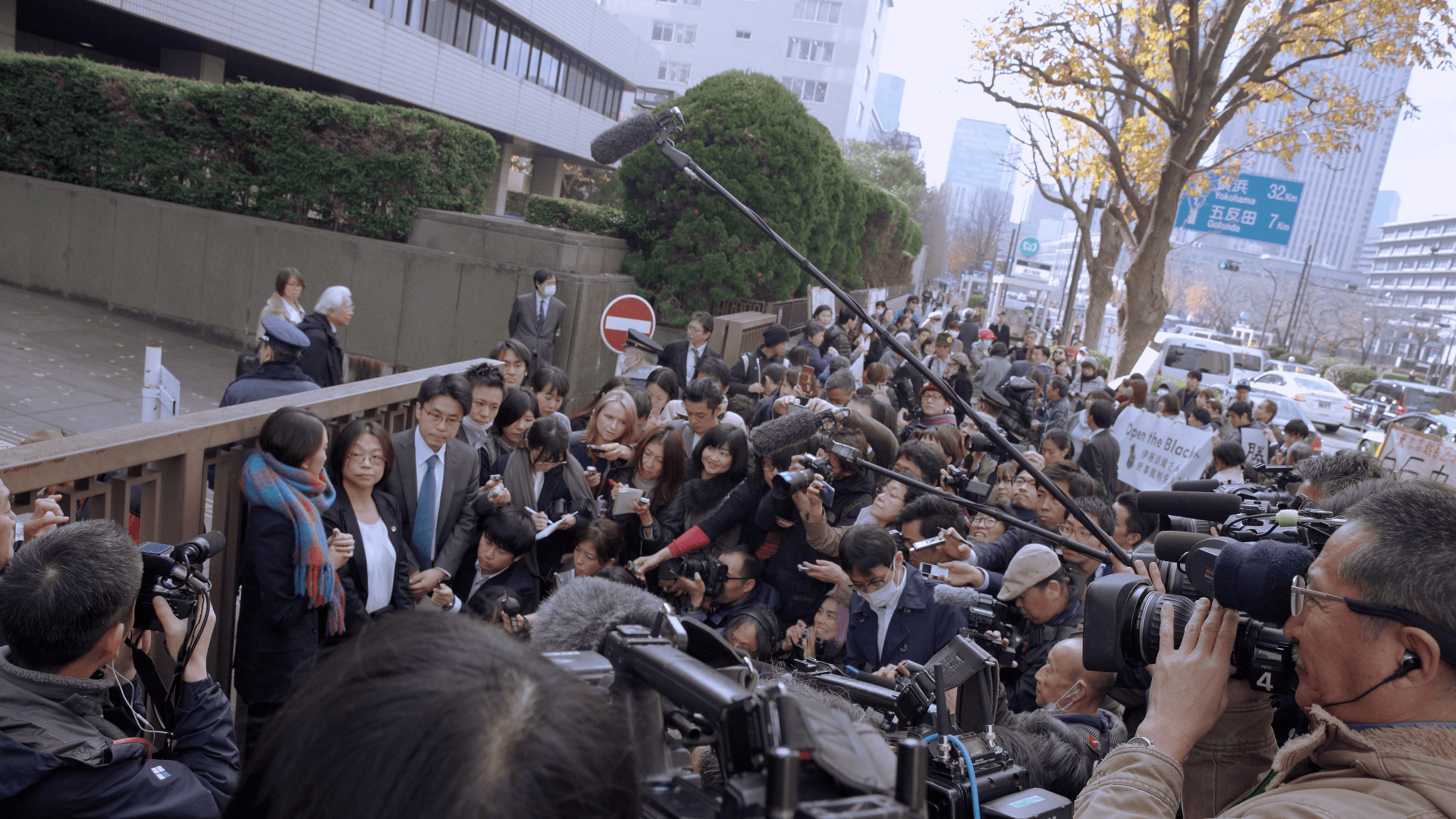
When faced with the deep disappointment of the justice system, Ito decided to do something that most strongly challenged Japanese society: she stepped forward to hold a press conference, revealed her face, and publicly named her perpetrator. The immediate reaction she received, of course, was a barrage of crude and abusive online attacks. On the other hand, she also received support from a large number of women, leading many to view her as a successful pioneer of the #MeToo movement in Japan. Her long and painful struggle of more than seven years also became a key factor that pushed forward the revision of Japan’s sexual offense laws in 2023.
Black Box Diaries premiered at the Sundance Film Festival in 2024 and received unanimous praise from international critics, before later being nominated for the Academy Award for Best Documentary Feature. However, it was not all smooth sailing for the film. In Japan, its release was blocked for quite some time because distributors were wary of public backlash (it was not screened until late this year), and more seriously, the film was also publicly criticized by Ito’s former legal team, who accused it of seriously violating journalistic ethics.
The main issues raised by the lawyers concern Ito’s use of several pieces of footage and clips in the film without permission, or despite prior agreements that they would be used only as evidence in legal proceedings. These include footage of her being taken out of a taxi by Yamaguchi, an interview clip with the taxi driver, footage of meetings with her lawyers, and audio recordings of conversations between her and “Detective A.” Her former legal team accused these actions of violating ethical standards and failing to take responsibility toward sources, potentially discouraging hotels or individuals from cooperating with victims in sexual assault cases in the future.
These allegations are highly thought-provoking, as the ethics of documentary filmmaking have long been debated without any clear conclusion. Ito herself acknowledged the mistakes and issued an apology, but she also offered compelling counterarguments. For example, regarding the hotel footage, she insisted that the footage used in the film was “not the same version used in court,” but a version that had been digitally altered. Moreover, this footage was the “only visual piece of evidence” of the assault, which led her to believe she was justified in using it to substantiate the story she was telling.
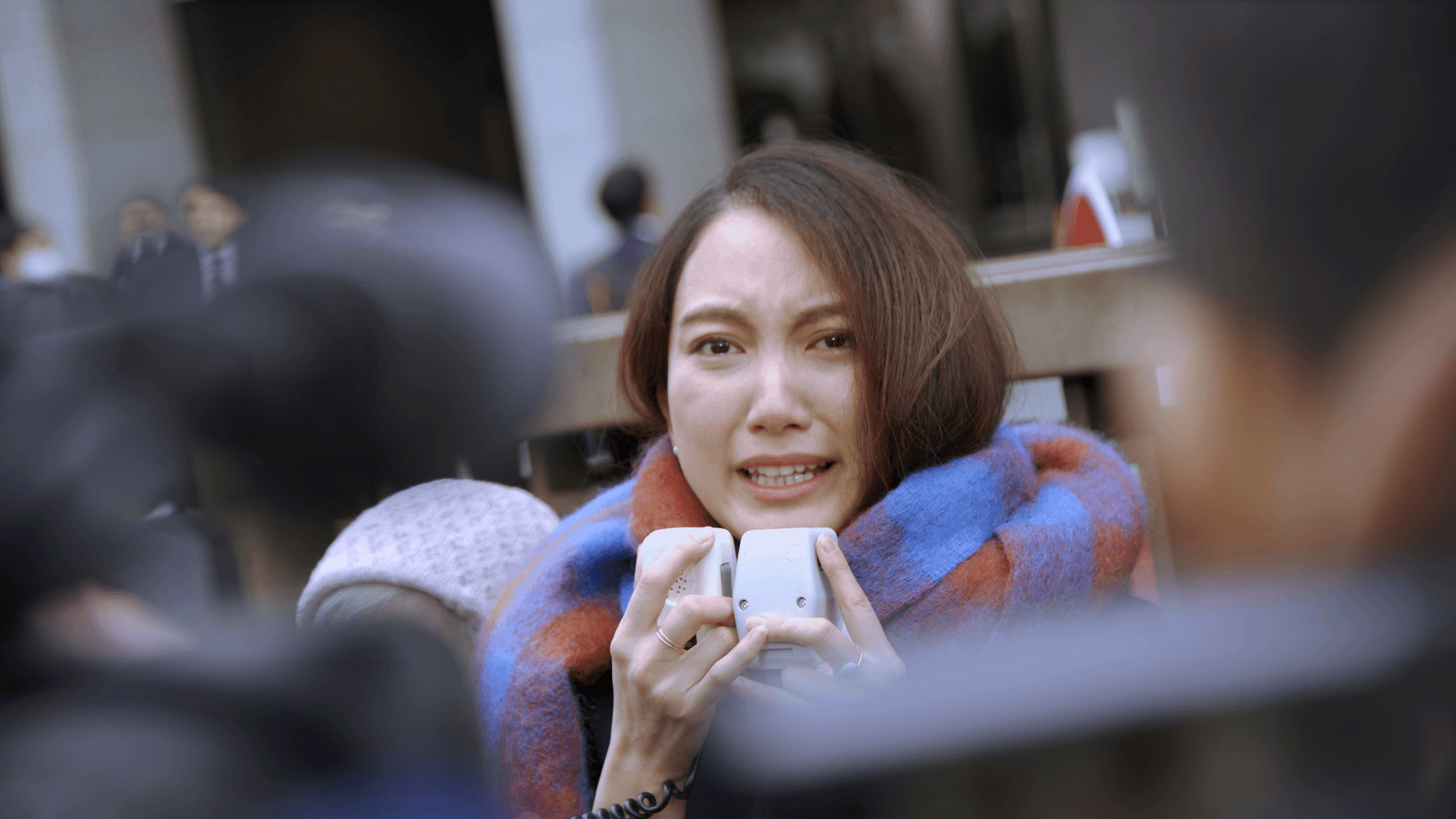 Black Box Diaries
 Black Box Diaries
A number of academics and documentary filmmakers have come forward to support this position, arguing that as a filmmaker, Ito has the right to tell her own story with the intention of exposing those in power, which can be seen as an “act in the public interest.” This is especially relevant in a conservative society where those in power often silence the public, and where much of the mainstream media tends to look the other way. What society should therefore be questioning may be state interference and censorship, rather than focusing excessively on the ethics of using such footage.
Even after the controversy arose, Ito announced that she would produce an edited version of the documentary for screening in Japan in order to resolve the issue. However, all of this does not diminish the significance of Black Box Diaries in any way. On the contrary, it further reveals the complexity of the struggle for justice in Japanese society, showing just how many obstacles must be confronted, and it also draws attention to the fragility of investigative documentary work: once it enters the public sphere, it becomes difficult to avoid responsibility and pressure from all directions
 Black Box Diaries
 Black Box Diaries
About Author