Cow: The Life and Dignity of a Cow
Read 0
Many documentaries today compete to sell grand, spectacular images of nature—filmed with technology that takes viewers’ eyes to strange and astonishing places, delving into hidden corners of life that we rarely encounter.
But in Cow, director Andrea Arnold chooses everything in the opposite direction. What she brings the camera to follow is a mother cow on an English farm. She even films by leaving the camera quietly in place, and throughout the entire film, there is no narration or even any stirring music at all!
Why does she choose to present it this way? The answer is because this is a story of “life”—repetitive, monotonous, and almost never intentionally looked at. That cow was born and raised in a food chain determined by humans, yet we’ve never truly listened to its story. Arnold wants her film to fully take on that role.
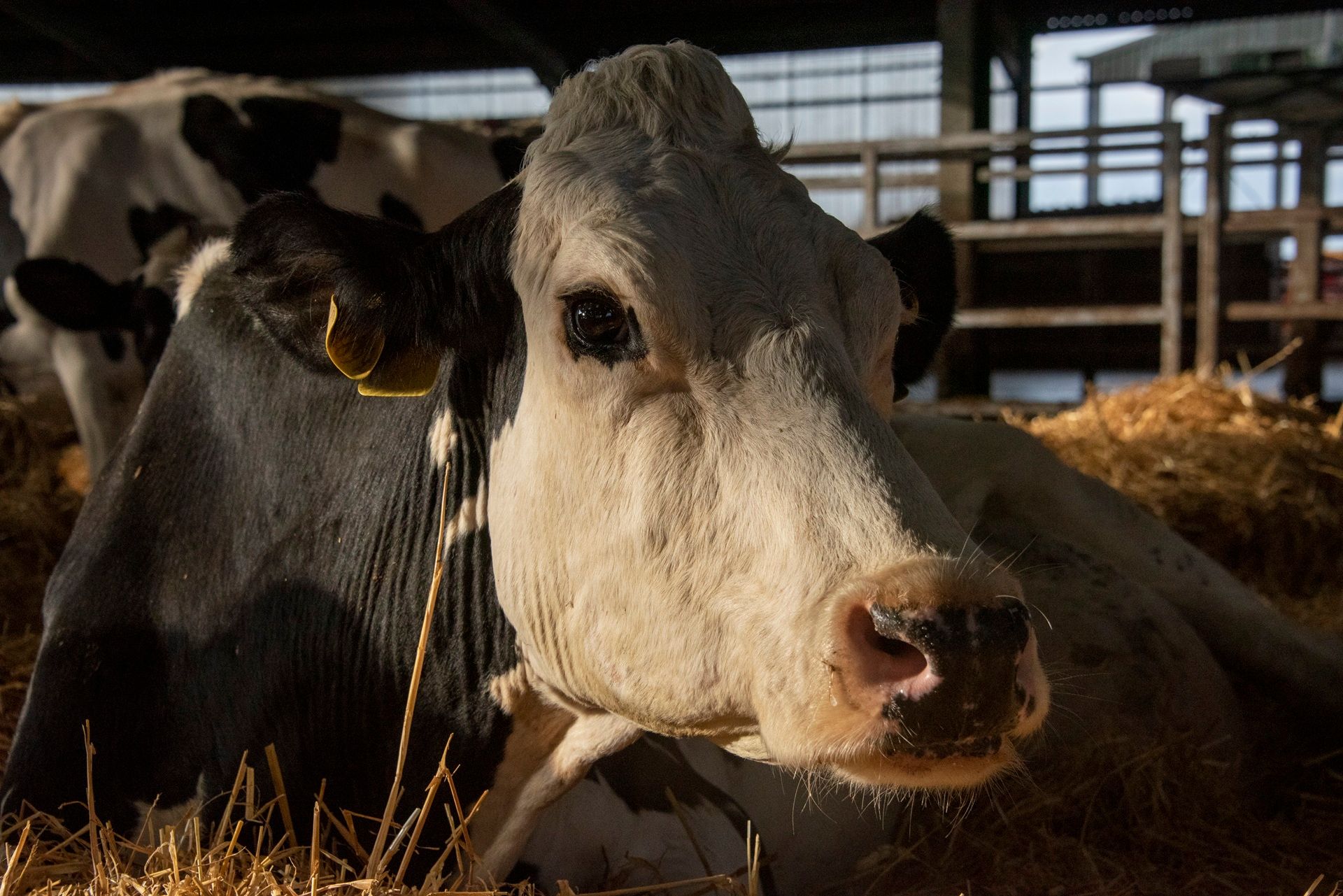 ภาพจากสารคดีเรื่อง COW
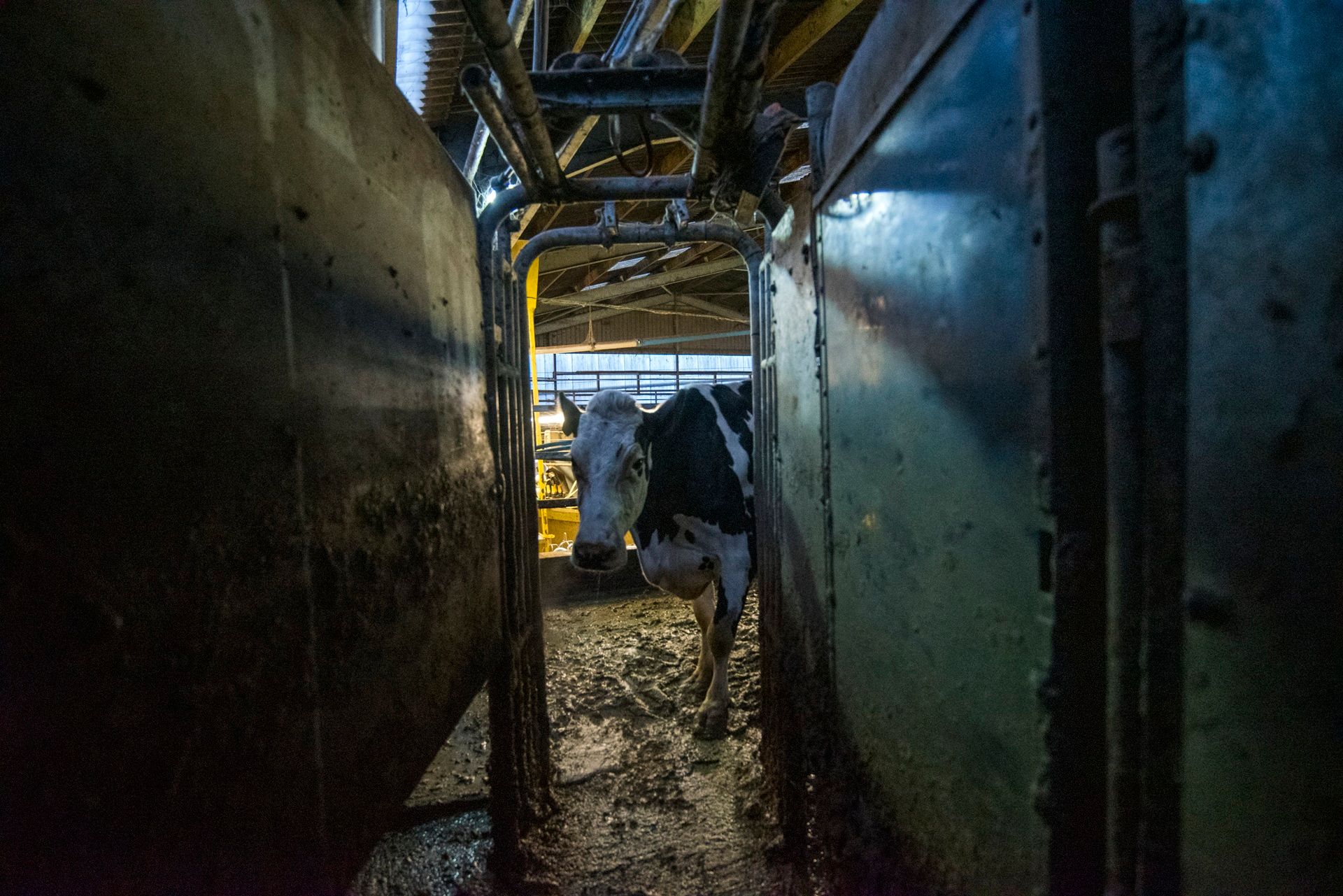 ภาพจากสารคดีเรื่อง COW
Arnold’s initial idea was deeply intriguing. She didn’t even begin with the intention of making “a film about animals.” Instead, she became curious: What kind of feelings do living beings that are closely tied to human consumption have? How do they perceive the world? And she wanted to know—if, as a filmmaker, she watched them long enough, would she come to understand their world?
Arnold answered her own questions by spending four years making this film. She chose a mother cow named Luma as the main character (you could even call her the heroine), because Luma had a striking personality. Luma wasn’t tame, wasn’t “good at acting,” and didn’t have a cute or pretty face. But she had “special eyes” that made us feel a sense of connection with her. The story we see of Luma is not dramatic. She is a cow in the livestock system, caught in a cycle of pregnancy, giving birth, and being separated from her calf immediately—so that she can produce enough milk to meet human demand, until the end of her life.
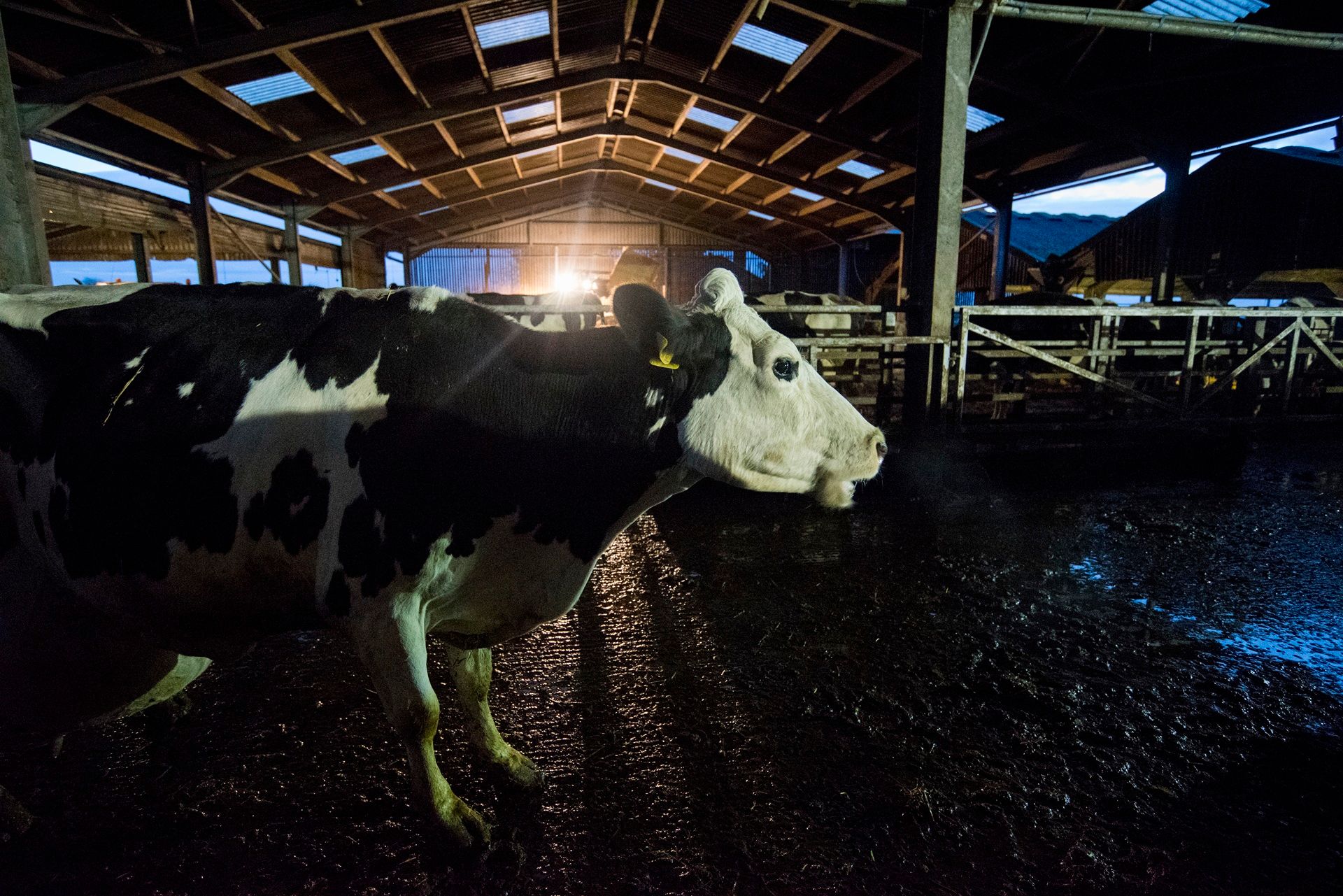 ภาพจากสารคดีเรื่อง COW
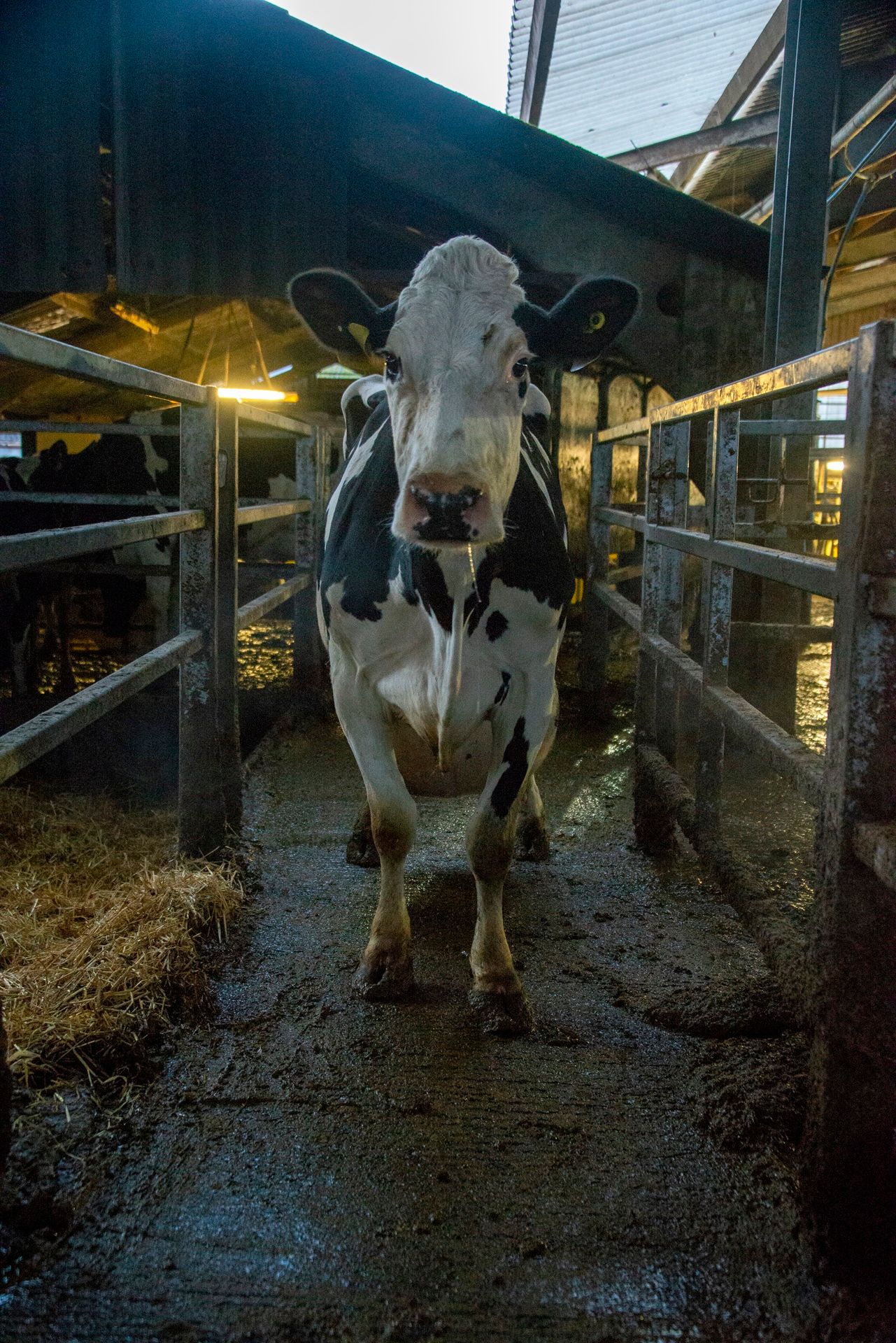 ภาพจากสารคดีเรื่อง COW
These routines are nothing new in the agricultural world. But when Arnold trains her camera on them with unwavering focus, the result becomes a story of “labor”—used up under a system that is heartbreakingly cruel.
Beyond the visuals that place us at eye level with the cow, Cow’s sound design is full of subtle details: the sound of hooves stepping on wet ground, Luma’s breathing, the voices of farmers involved in daily routines, and the pop songs they play on the radio in the barn. These elements work beautifully to draw us into Luma’s narrow world—right beside her.
In one sense, Cow may remind us of an animal rights advocacy film. But in another, it does not blame or accuse anyone. Arnold views the livestock system as a cycle in which both humans and animals are trapped together with almost no choice. (It’s not only the cow’s life that is repetitive and tiresome—human life doesn’t seem much different. Arnold asked one farmer if there was anything he regretted. He replied that he regretted not being happier, because since childhood, he had to milk cows after school.)
This is where the beauty and significance of Cow truly lie. It is a film that deliberately looks at “the living being in front of us,” to urge us, the viewers, to genuinely acknowledge their existence. It wouldn’t be an exaggeration to say that, through Arnold’s sensitive gaze, the film grants dignity to that living being in the truest sense.
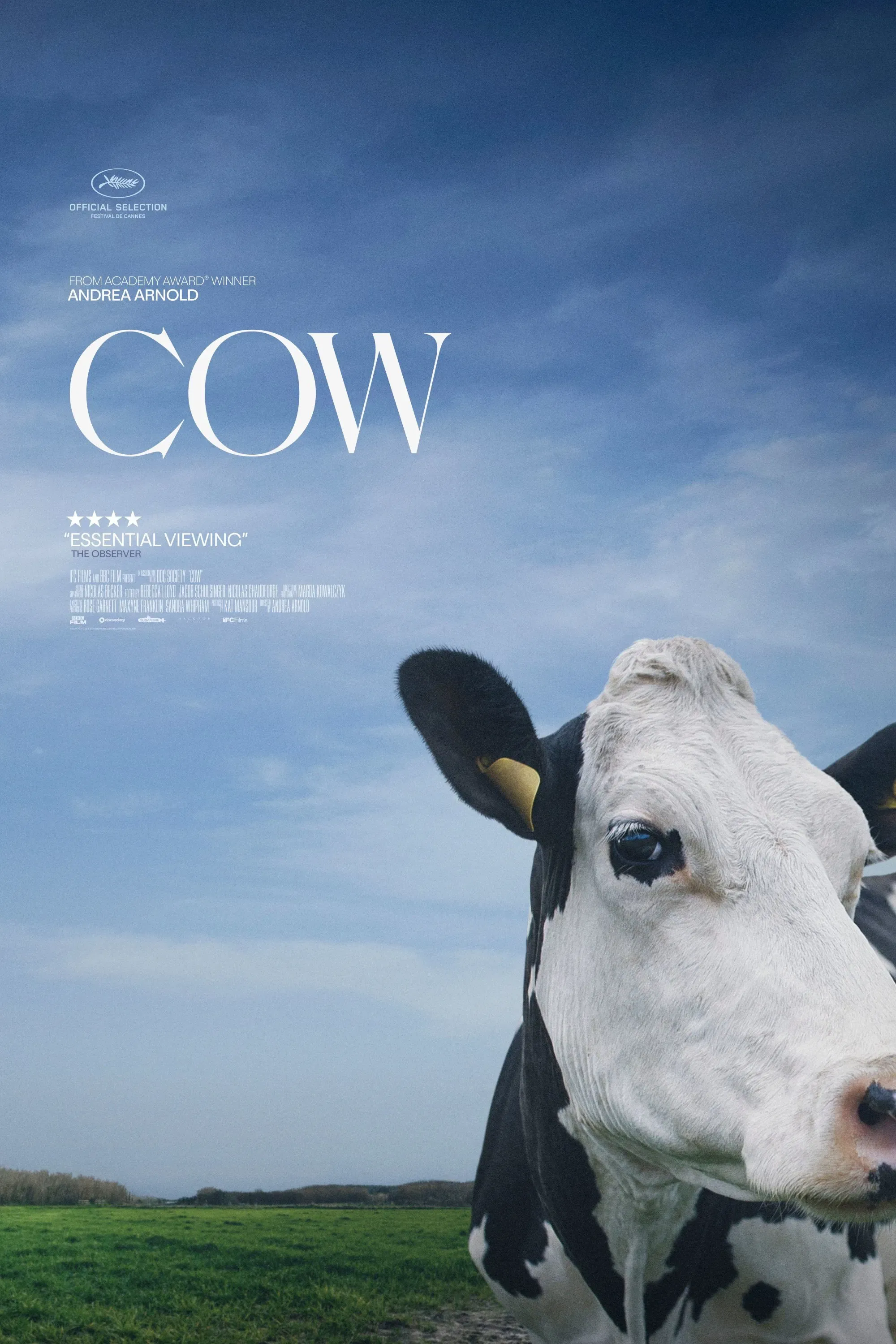 ภาพจากสารคดีเรื่อง COW
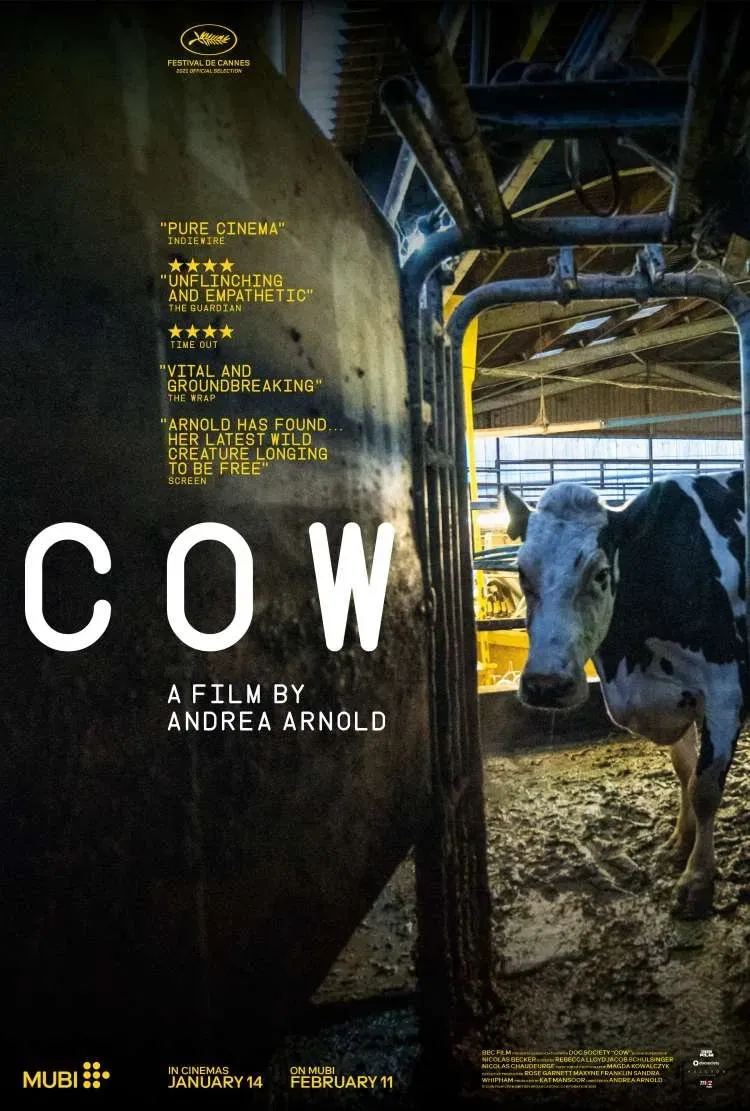 ภาพจากสารคดีเรื่อง COW
About Author