Voices from the Black Box: The Diaries of a Sexual Assault Survivor
Read 0
“In a closed room, only two people know what happened. Once that door shuts, the truth is locked inside forever. It is like a black box that can never be opened.”
These words, spoken flatly by the detective in charge of the case, were meant to explain the situation to Shiori Ito. Instead, they sliced deep into the heart of the then-25-year-old woman, leaving a ragged, unhealable wound.
She woke up in a hotel room with fragmented memories, a bruised body, and an indescribable pain. Yet, what hurt her more than the physical violation was the way the "justice system" and "society" tried to tell her to forget. They tried to condition her to believe that what happened was merely a shame to be swept under the rug—something to be swallowed and endured in silence.
The documentary Black Box Diaries on VIPA does not merely record a rape case. It is a chronicle of a war between the "truth of a little person" and the "power of a structure" that tried its best to seal that black box tight. And when no one was willing to turn the key, Shiori decided to use the only things she had left—her "voice" and her "video camera"—to smash that black box open herself.

Japan often prides itself on its image as a safe country with high discipline and low crime rates. But beneath the beautiful numbers on paper lies the rotting scent of "invisible crimes."
Statistics from the Japanese Cabinet Office (2020 Survey) reveal a shocking reality: 1 in 14 Japanese women has experienced forced sexual intercourse without consent. If other forms of harassment are included, the number skyrockets. Yet, amidst such a vast number of victims, only 5-10% dare to report to the police (and in some years, the statistic drops as low as 4%).
The question is: Why do the other 90% choose silence?
The answer lies not in cowardice, but in the culture of shame (Haji) and "Victim Blaming" deeply rooted in Japanese (and Asian) society. Women are taught to be "modest and reserved." When tragedy strikes, the first questions hurled at the victim are not "Who hurt you?" but "What were you wearing?", "Why did you go drinking with him?", or "Why weren't you more careful?"
Shiori Ito faced a storm of this stigma simply because she was not the "Perfect Victim" in the ideal of Japanese society. She is mixed-race, beautiful, well-dressed, smiles often, and is ambitious in her career. These traits became the charges society used to judge that "she isn't pitiable" and "she must have been the seductress."
In a culture where silence is golden, Shiori's speaking of the truth was not just a demand for rights; it was a rebellion against traditions that have oppressed women for generations.

Shiori's fight was a modern-day David vs. Goliath. Her adversary was not some unknown man, but Noriyuki Yamaguchi, a senior journalist with immense influence and a close friend/biographer of Prime Minister Shinzo Abe.
The most biting despair came not when she was rejected, but when she had hope. An arrest warrant was about to be issued, police investigators were waiting at the airport with handcuffs ready, when suddenly, a "mysterious phone call from above" ordered the arrest to be cancelled.
This scene in the documentary clearly reflects that the "Black Box" exists not only in hotel rooms but is also the "Black Box of the Justice System"—blind, hidden, and favoring its own.
Furthermore, Shiori had to fight a lifeless but powerful enemy: Japan's "Penal Code." Archaic and barely amended since 1907—over 110 years ago, an era when women didn't even have the right to vote.
This century-old law stated that to prosecute rape, one must prove that "Assault or Intimidation" occurred. This meant that if a victim was drugged into unconsciousness, or if their body entered a Freezing Response (paralyzed by fear) and could not resist, the law did not consider it a "crime."
The system was not flawed by accident; it was designed to shift the burden of proof to the victim, forcing them to answer the repeated question: "Why didn't you fight harder?"—even when their body and soul had already been shattered.
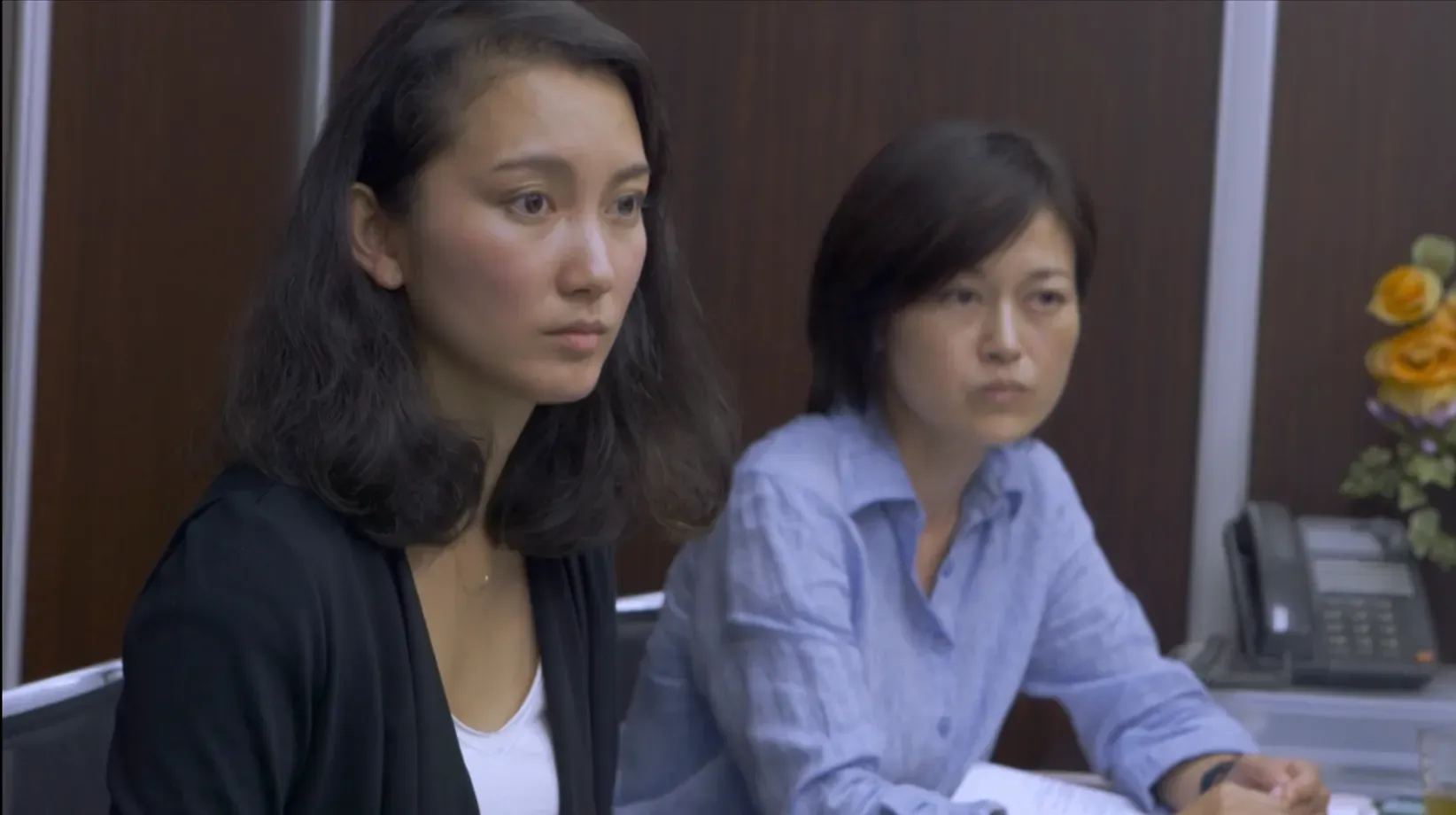
What makes Black Box Diaries so powerful is not just the thriller-like investigation footage, but the fragility of humanity that Shiori dares to lay bare.
In the form of Video Diaries, we see Shiori on days when she is not a hero, but just a woman sobbing uncontrollably. Days when she hated herself. Days when she attempted to end her own life because the pain was too heavy to bear.
The price of truth was exorbitantly high. Her own sister begged her to stop speaking to protect the family. Her parents bore the pressure of society. Shiori herself had to flee into exile abroad, unable to withstand the hate and death threats in her homeland.
But in that fragility, we see true strength. Shiori chose to hold the camera and film herself, even on days when her hands shook the most, to affirm: "I still exist. I am a human of flesh and blood, not just a headline or a victim for anyone to define." The camera in her hand served as a witness, a shield, and the only friend left when the whole world turned its back.
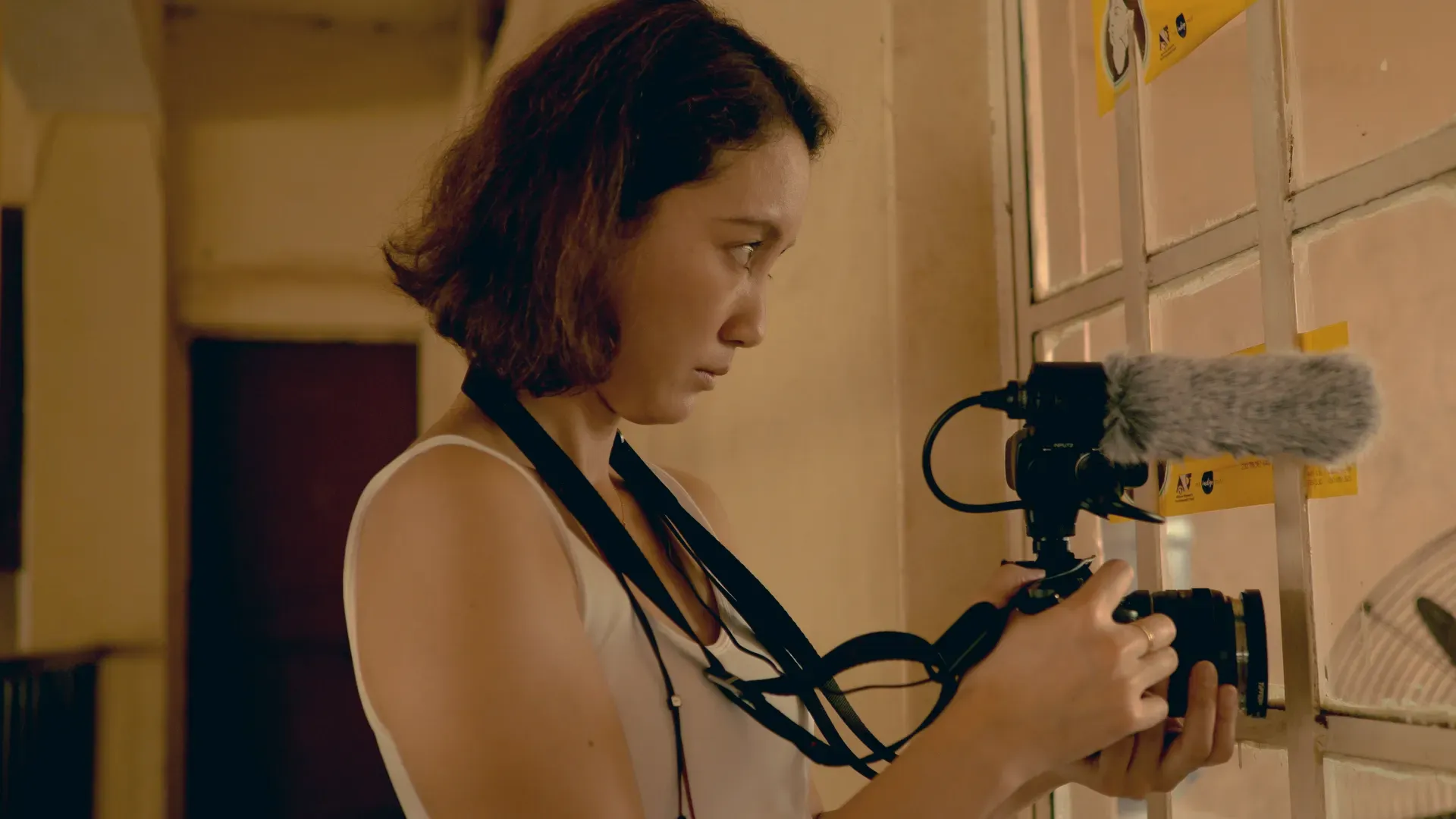
Shiori's long and painful journey did not end in emptiness. Her victory in the civil case was not just a personal win, but a magnitude-9 earthquake that successfully crumbled Japan's ancient laws. In June 2023, the Japanese Diet passed a historic reform of the Penal Code regarding sexual offenses:
- New Definition: Changing from proving "assault/intimidation" to clearly "Non-consensual sexual intercourse," specifying situations where victims cannot consent (e.g., fear, intoxication), drastically reducing the victim's burden of proof.
- Criminalizing Intoxication: Explicitly penalizing those who take advantage of a victim's intoxicated state, closing the loophole used in Shiori’s case.
- Age of Consent: Raised from a shockingly low 13 years to 16 years to protect youth.
- Statute of Limitations: Extended to give victims more time to heal and gather the courage to prosecute.
This victory, exchanged for the tears of Shiori and millions of women, changed only a few sections of the law, but it meant the world to people's lives. It was the return of women's rights, the return of humanity, and the return of justice to voices that were once swallowed by silence.
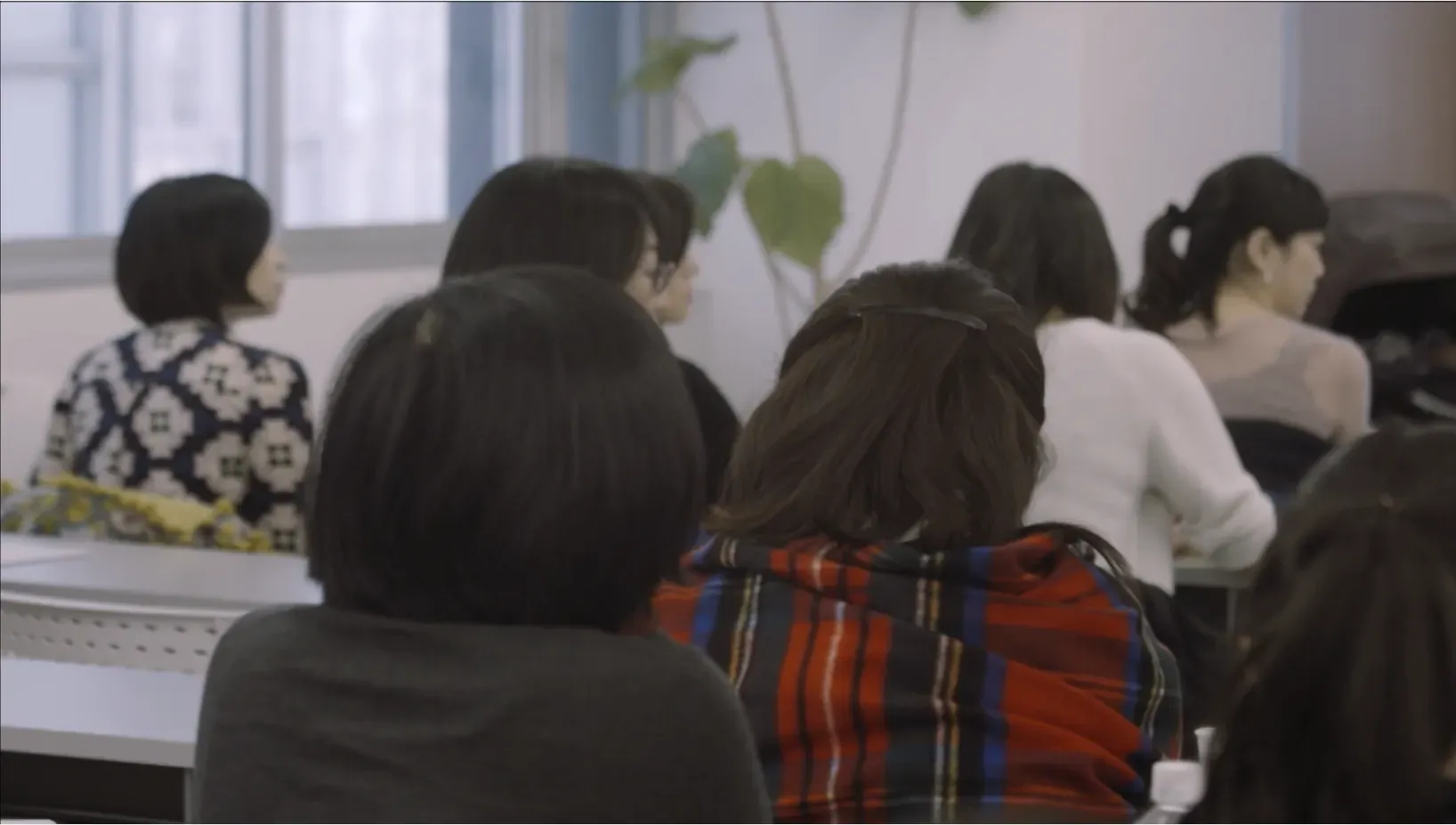
The black box of silence has been opened—not by a magic key of power, but by the "Voice" of one woman who, though trembling, refused to stop speaking.
Shiori's fight ignited the #MeToo movement in Japan, birthing the Flower Demo, where tens of thousands of women across all 47 prefectures stood with flowers to tell their stories. Changing from "Me" to "Us." Changing from shame to courage.
On days when we feel the world is unjust, or that our voices are too faint, this documentary is empirical evidence that while truth may come late, and the price may be high, if we do not stop crying out, it will always arrive.
Because true violence may not end when the assault is over. It begins anew the minute society tells a victim to "be quiet" to save someone else's face.
Today, Shiori has proven that "Silence" is not the answer. "Truth" is the only key that leads to freedom.
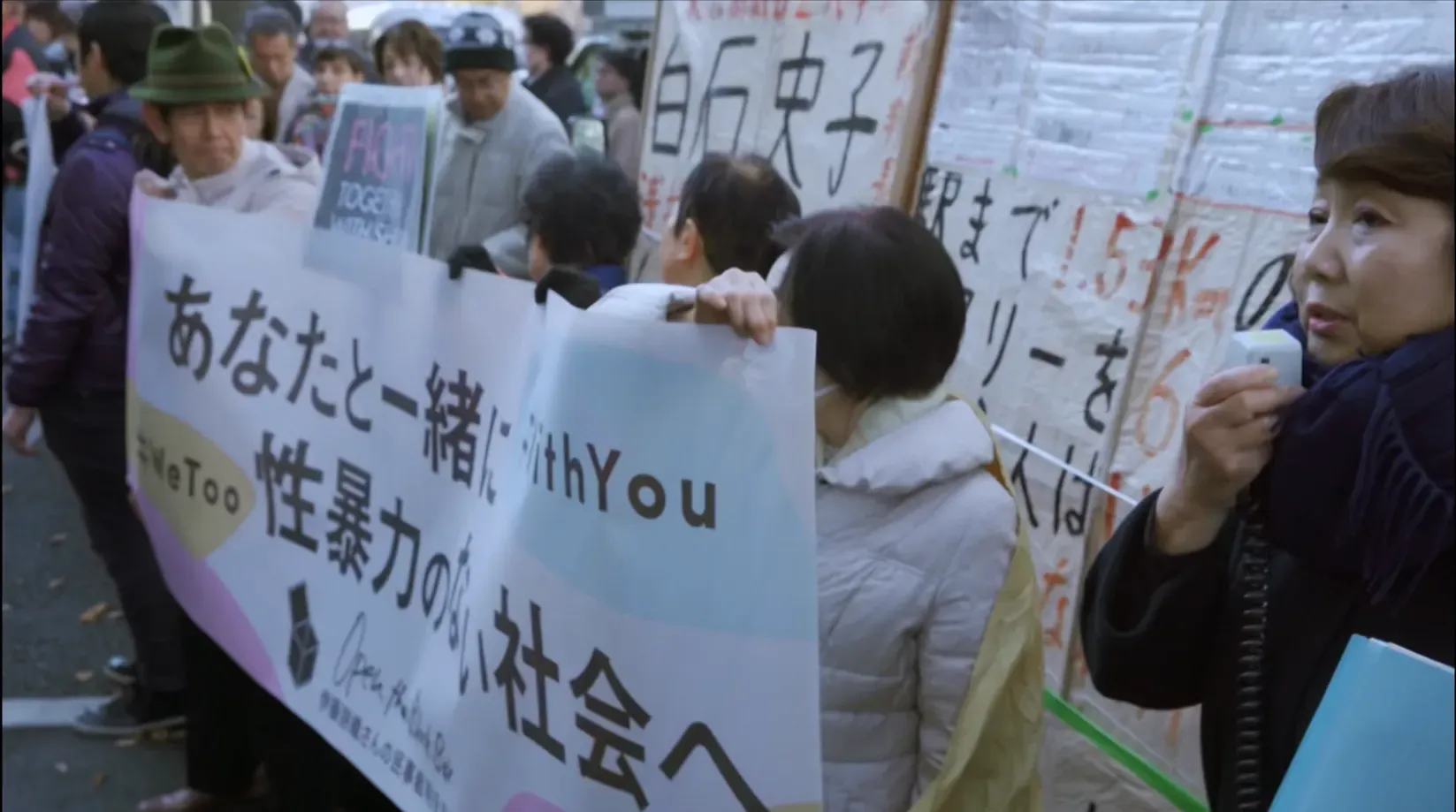
Bear witness to the fight to open the box of truth in the documentary film “Black Box Diaries” Watch now on VIPA ▶️ https://vipa.me/th/contents/14679/black-box-diaries

References:
- Johnson DT. Is rape a crime in Japan? International Journal of Asian Studies.
- Gender Equality Bureau Cabinet Office (Japan): Survey on Violence between Men and Women (2020)
- Human Rights Watch: Japan: Sexual Assault Laws Reform
- ABC News Australia: Black Box Diaries documents Shiori Ito's pursuit of justice...
- The Japan Times: Landmark sexual violence survey reveals shocking data
- Nippon.com: Itō Shiori’s Oscar-Nominated Japan #MeToo Documentary
- Black Box Diaries Documentary
About Author

Oakland Krist
a pop culturist who breathes it like air | a storyteller with pretty much still in the making | a little poetic but absurd at the same time